Week of June 1, 2026 Local, professional reports straight from the field, from all regions serviced by Ag Partners.
Meet this week’s featured Agronomists & AYS Specialists:

Morristown, MN

Kenyon, MN

(AYS) Lewiston, MN

MINNESOTA – WEST
Belle Plaine – Le Center – Le Sueur – Morristown – Traverse
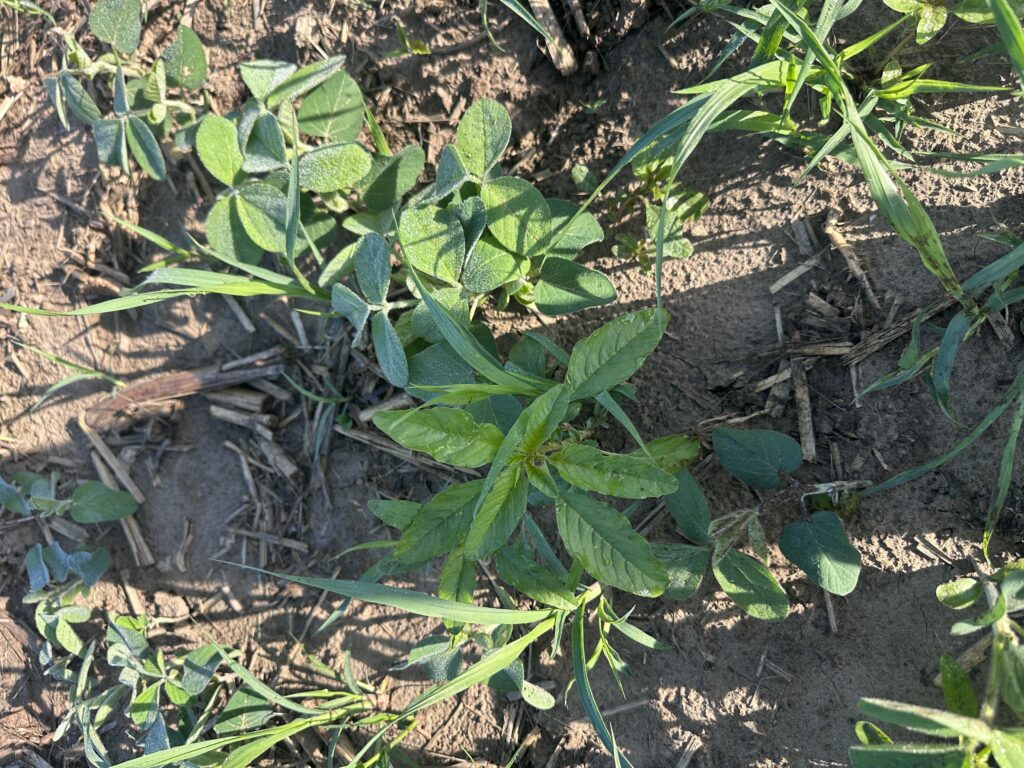
The crop in our area is really starting to look good. The Corn is moving out of the “ugly” stage, and we are just starting the “grand growth stage.” Most soybeans are starting to put trifoliates on and you can start to see them fill out. One thing to note: You may see some lighter green color in the whorl of the corn. This is mostly due to slightly dry conditions and warm temperatures causing fast growth. There is an imbalance, with a very high nutrient demand from the plant and lower availability due to limited moisture in the soil, not allowing for fast enough mass flow into the plant. Rain will help increase availability, and over time the leaves will darken.
Over the years I have learned that proactiveness pays off. We have a great opportunity to be proactive over the next 6 weeks. The decisions we make now could have 30-60 bushel per acre impact on our corn yields. We have invested a lot into this crop already; my encouragement would be to continue to be proactive with in-season management. Here are the areas I would focus on:
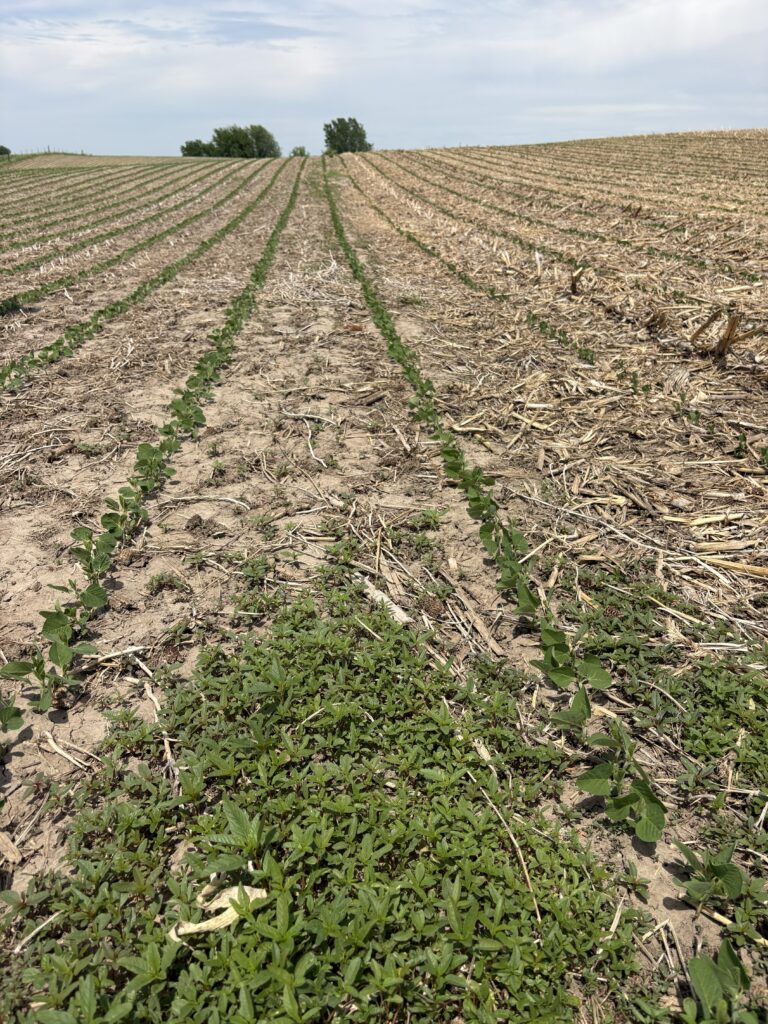
- Weed control– We are getting to the end of corn applications, but the soybeans should be on the list right away. It may feel too early to spray, but early applications, are almost always the best.
- Nitrogen– In season nitrogen applications have begun. Making sure we have enough Nitrogen and Sulfur will have a great positive impact on yield.
- Disease management– We always deal with some level of disease, and this year will be no different. Early season stress will likely show up with late season disease. Fusarium will be one to watch for (Crown and stalk rot). Timely fungicide applications have the potential to be a big return this year.
Don’t miss out on the opportunity to stack the deck in your favor, and don’t forget to have FUN! – Chad
MINNESOTA – EAST
Goodhue – Kenyon – Lake City – Pine Island – Wanamingo
The start of this week brought some much-needed moisture across the area, with totals ranging from three-tenths of an inch to a little over 1 inch in some locations. We started side-dress applications at the beginning of the week and continued with post-emergence corn applications, along with some early post-emergence soybean applications. Much of the corn in the area is at the V3–V4 stage, with some fields reaching V5.
Planting depth
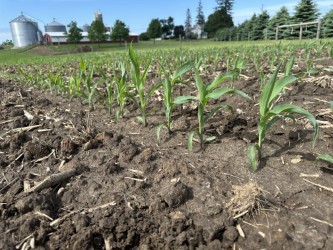
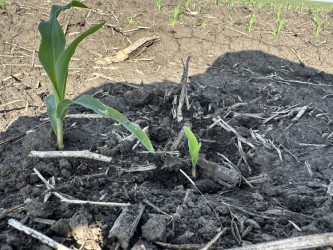
I wanted to hit the brakes and go back to one thing I’ve been getting a lot of questions about this spring: the importance of planting depth. With the way the weather shaped up this planting season flew by, and it didn’t take long to get seed into the ground. However, that led to a couple questions I heard several times, Why is it taking longer for my crop to come up? Why does my emergence look so uneven? Moisture was the key to getting seed up and out of the ground and achieving uniform emergence. Seed can sit in dry soil for weeks without germinating until it receives adequate moisture. This is where uneven emergence can occur. In the picture below, the plant on the left was planted at a depth of 1¾ inches, while the plant on the right was planted at 1⅛ inches. Remember in ideal conditions we are still shooting for 2 inches in corn and in soybeans you want to put the seed into moisture, whether that is 1 inch or down to 2 inches.
Alfalfa
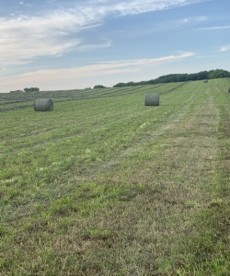
With the nice weather we had at the end of last week, and if you missed Sunday’s rain shower, a lot of alfalfa was cut and baled over the last several days. Once that first cutting is off, it’s a good idea to talk with your local Ag Partners agronomist about a fertilizer application. Alfalfa is a heavy user of potassium and sulfur, so replenishing those nutrients after the first cutting is important. Historically, the first cutting produces the greatest tonnage, making it critical to replace nutrients and ensure the crop has the energy it needs to maintain strong yields throughout the rest of the growing season.
Always reach out with questions and I hope everyone continues to have a safe season! -Wyatt
MINNESOTA – SOUTH
Elgin – Lewiston – Stewartville
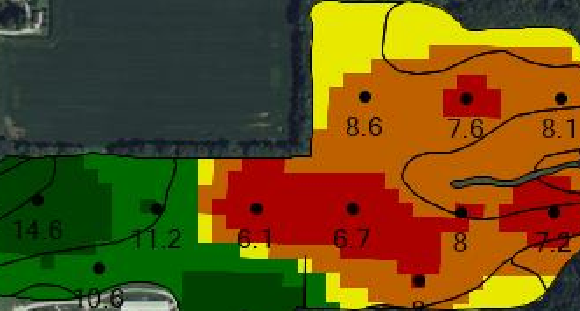
Nitrate grid sampling is one of the most practical things you can do before putting sidedress nitrogen on. If you’re applying a flat rate across your acres, you’re potentially over-applying in some spots and under-applying in others. By pulling samples on a grid and getting actual nitrate numbers back, you can make sound agronomic decisions. From there, building a variable-rate sidedress prescription is pretty straightforward: put more where the soil is short, back off where it isn’t. If you’re already investing in sidedress nitrogen, reach out to your Ag Partners Agronomist and have a conversation about seeing where your nitrate levels are.
Below is an example of nitrate grid sample results. Each number displayed is the amount of nitrate nitrogen ppm. Depending on yield potential these numbers should be 25ppm-35ppm, to have enough to finish the crop. This map also shows the variability within the field, which is why it makes economic sense to variable rate a side dress application. – Kenny
WESTERN WISCONSIN
Durand – Ellsworth – New Richmond – Osseo
Well, it’s another beautiful week and there is plenty going on in the countryside. Most of the hay is off, fertilizer on, and we need to be sweeping fields. We are seeing some elevated weevil levels.
On to soybeans, remember second pass spray isn’t about soybean size. It’s about layering your residuals and how long since the pre was applied, as well as how tall the weeds are. We need to be targeting aggressive weeds like Waterhemp and Giant Ragweed early.
**Lastly, any corn and soybeans returns are due June 15 and packaging by July 3.**
Thanks, have a great week! -Brady