


Week of April 6, 2026 Local, professional reports straight from the field,
from all regions serviced by Ag Partners.
Meet this week’s featured Agronomists & AYS Specialists:

Morristown, MN

Goodhue, MN

Lewiston, MN

Ellsworth, WI
MINNESOTA – WEST
Belle Plaine – Le Center – Le Sueur – Morristown – Traverse
As I write this on Tuesday morning, temperatures are sitting at 17°F. It’s hard to believe we’re on the doorstep of planting, but a high near 64°F on Wednesday gives hope that warmer, more favorable conditions are on the horizon.
Prior to last week’s rainfall, field activity had been fairly limited. We’ve seen some small grain planting, a bit of dry fertilizer spreading, and a few anhydrous ammonia applications. This week, surface conditions are beginning to dry out, though soils remain cold and wet underneath. Field conditions will continue to improve, and I anticipate more activity to take place toward the end of this week.
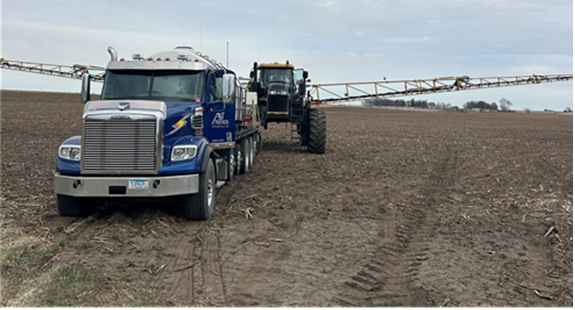
While fieldwork may be on hold for the moment, activity at the coop hasn’t slowed. Seed, crop protection, and liquid fertilizer deliveries continue to take place. This is also an excellent window to make sure everything is dialed in. Double check planting prescriptions, seed placement strategies, and fertilizer plans with your agronomist before things ramp up.
Stay the course and trust your plan, patience is key this time of year! Wishing everyone a safe and successful spring ahead! – Joe
EAST
Goodhue – Kenyon – Lake City – Pine Island – Wanamingo
Nitrogen stabilizers on surface applied urea and 32% not only protects your nitrogen investment from volatilization but also increases yields. The example below is a strip trial of weed & feed 32% with and without Agrotain Advanced. The 32% was applied after planting and was relying on rainfall to incorporate the product into the soil. It did not rain for 4 days until after the application of the 32%. The strip trial results are variable across the field but show a yield response of about 8 bushels over the check.
Using Agrotain on spring applied urea is also a good practice if you use vertical tillage, no-till, or have field conditions with heavy residue, such as heavy corn on corn residue. These practices result in urea that is not fully incorporated into the soil and is exposed to volatilization. Another advantage of using Agrotain on spring applied urea is that it gives you a wider, flexible window for application. If you are several days to several weeks out planting, adding Agrotain to stabilize your urea can allow applications to get done in a timelier manner and start planting when you are ready. – Casey

SOUTH
Elgin – Lewiston – Stewartville
Welcome to the 2026 growing season. While the season has started out on a roller coaster for temperatures, we were able to get some phosphorous and potassium applied last week. Although, the recent rains this past weekend and cooler temperatures the last couple of days have slowed progress in the fields. As we prepare for planting let’s be diligent not to rush planting into cold, wet soil. Good seed-to-soil contact is key so the seeds can quickly and evenly absorb moisture for a uniform stand. The most critical time in a corn plant’s life is the first 24-48 hours and the first moisture that is imbibed by the seed. We like to see soil temperatures around 50°F with a warming trend over the next week, with no cold moisture predicted.
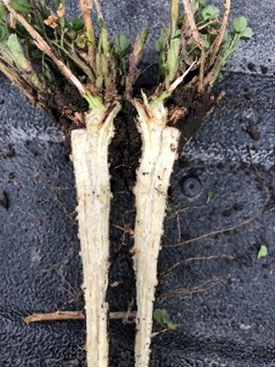
Looking at alfalfa fields, the last few days have proven very good apart from the aged stands. Most of the older stands are showing moderate crown and root deterioration. The younger stands look very healthy with excellent growth coming from the crowns already. Occasionally we will find a field that held water in a low spot or wheel traffic suppressions from last year where the crowns and roots show significant damage from the cold weather this past winter. As always reach out to your Ag Partners Agronomist with questions and have a safe spring. – Brett

WISCONSIN
Durand – Ellsworth – New Richmond – Osseo
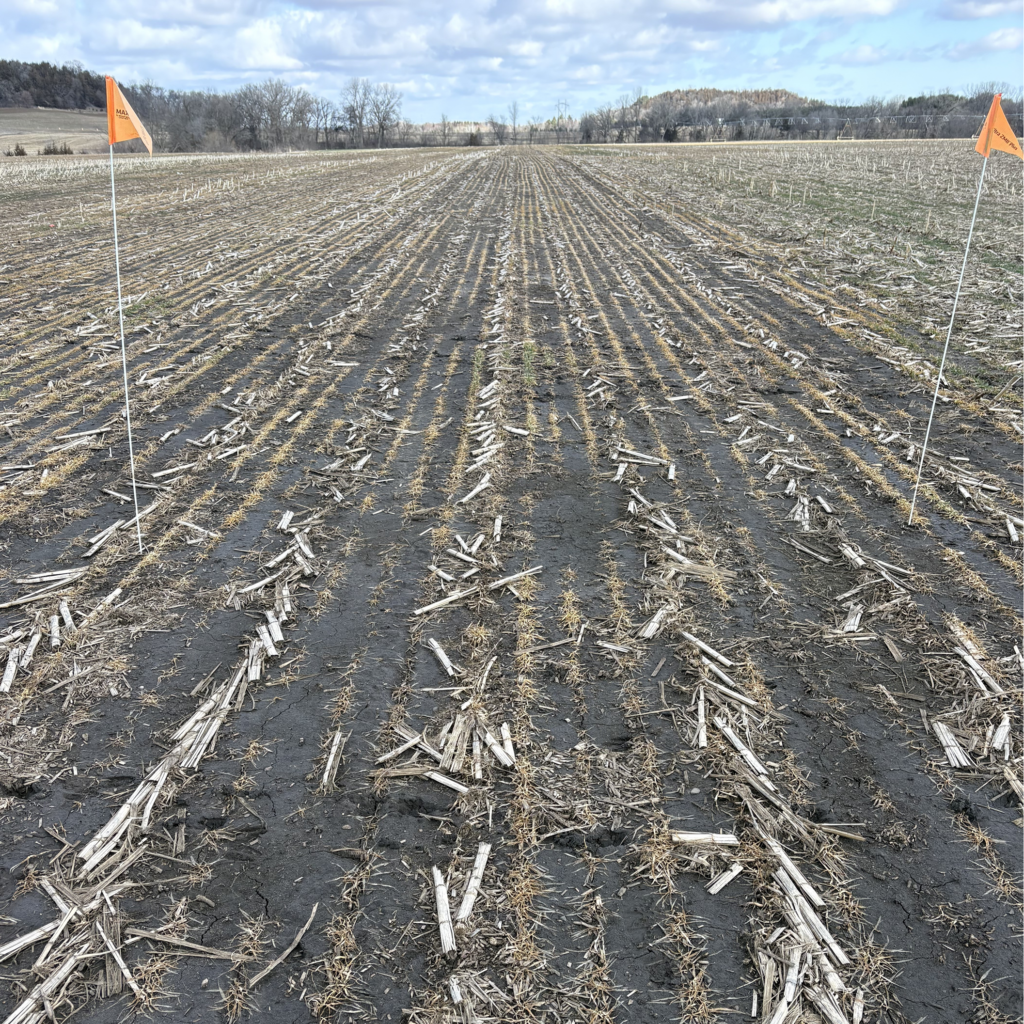
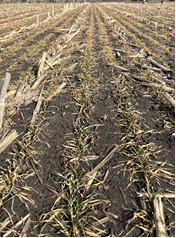
It has been a slow and cool start to spring in Western Wisconsin. The weekend forecast is predicting 70-degree rains for Sunday/Monday which is exactly what we need to help warm up the soil and get things greening up. Winter Wheat in our area is looking tough in the spots where the ground laid bare for a portion of the winter. With the yo-yo temperatures we have had and the fact we can’t get more than one day of warm temps strung together, it has been hard to determine what has a chance to green up and survive, and which fields need to come up with a plan B. Evaluations after the warm rain should provide us answers. We should be able to make assessments on the alfalfa fields as well after the rain. Like the wheat, where there wasn’t much stubble left last fall, those hay fields have been slower to green up.

| While the planters are still in the shed, make sure you have a proper placement and seeding rate plan for your hybrid/varieties that were selected for your farm this past winter. Often times those discussions take place during the ordering process but it’s important to follow through with the plan in order to maximize the ROI of your seed investment. – Eric |