Week of April 13, 2026 Local, professional reports straight from the field,
from all regions serviced by Ag Partners.
Meet this week’s featured Agronomists & AYS Specialists:

Belle Plaine, MN

Goodhue, MN

Elgin, MN

Ellsworth, WI
MINNESOTA – WEST
Belle Plaine – Le Center – Le Sueur – Morristown – Traverse
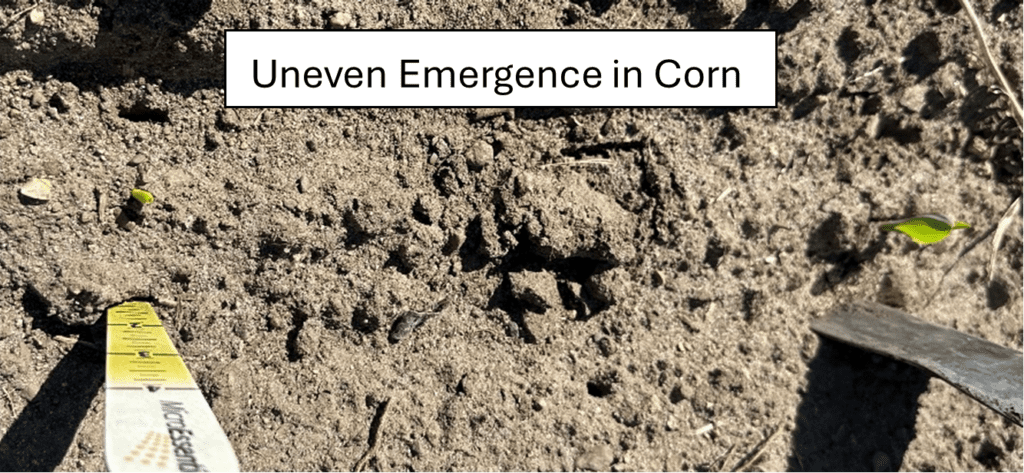
Early-season weather hasn’t been ideal for planting, but conditions are now improving. Even so, soils remain somewhat cold and wet, so patience is key—avoid rushing into the field too soon. Planting in cold soils can lead to uneven emergence, increased risk of seedling diseases, and issues such as imbibitional chilling. Likewise, working excessively wet ground raises the risk of soil compaction, which can restrict root development and result in stunted or misshapen plants. Optimal planting conditions occur when soil temperatures reach about 50°F and moisture levels are adequate but not saturated. Waiting for these conditions will help promote more uniform emergence and healthier crop development. – Courtney
MINNESOTA – EAST
Goodhue – Kenyon – Lake City – Pine Island – Wanamingo
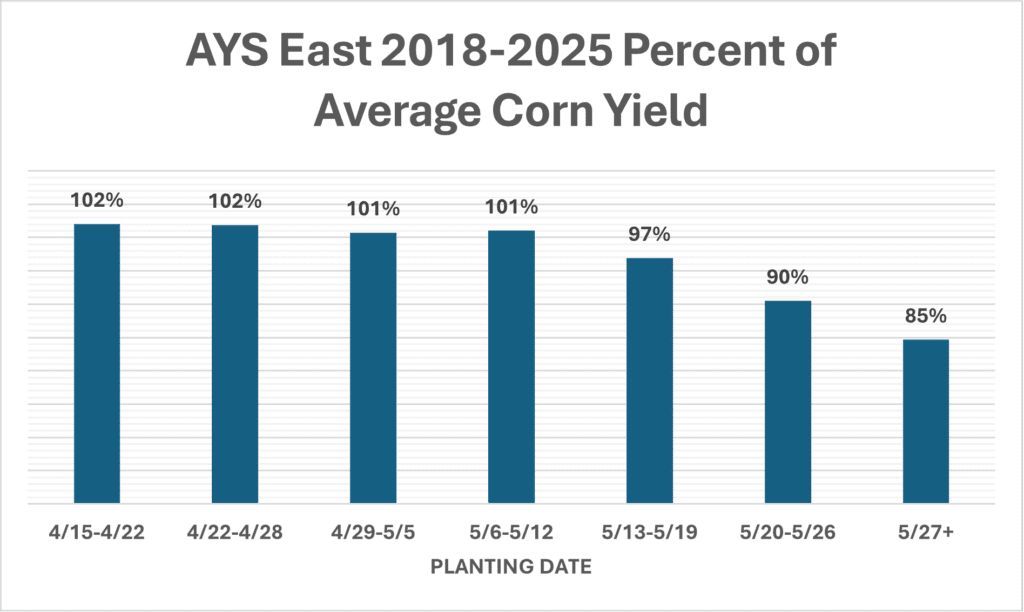
The region experienced a wide range of rainfall within the last week- anywhere from 0.5” to 2.5”+. This has made NH3 and dry fertilizer applications more of a challenge before planting starts. Below is a chart showing corn yields by planting date for 2018 through 2025 expressed as a percentage of the overall average yield. We know that earlier planting tends to have higher yield potential but that comes with a few caveats: weather and soil conditions.
Key points for ideal planting conditions:
- Soil temperatures around 50 degrees with a warming trend preferably
- Let soil rest for 24 hours after tillage to even out temperature in the seed zone
- No rain or cold temperatures in the forecast for 24 hours after planting
- No excessive soil moisture to cause compaction or sidewall smearing
Keep in mind that the data shows we can maintain above average yields into early May. Therefore, don’t rush to plant just strictly for the calendar date unless conditions are truly fit. Planting sets up our yield potential for the rest of the season, so let’s start this crop with the best conditions we can. – Tanner
MINNESOTA – SOUTH
Elgin – Lewiston – Stewartville
With most of our area getting an inch or more of rain on Monday, it is important to be patient and let field conditions come around before heading to the field. While data supports planting in April leads to higher yields, it also supports the importance of planting into proper conditions. Some factors to consider are:
- Soil Moisture-Fields that are too wet when doing tillage or planting will face compaction issues that can have a season long impact. It can affect seed-to-soil contact and root growth. Soil at an ideal moisture will create a ribbon when worked through your hand at an inch below your planting zone (typically around 3”).
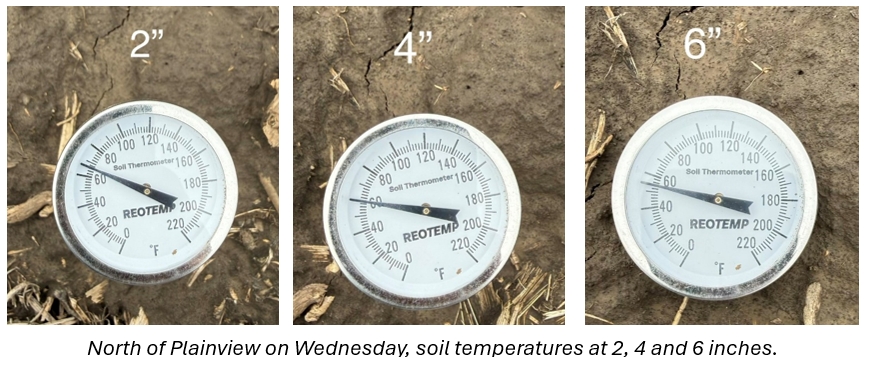
- Soil Temperature-Soil temperatures should be above 50 degrees, with a warming trend and no sign of a cold rain in the forecast. Proper soil temperature and weather conditions help prevent imbibitional chilling, cold injury, uneven or delayed emergence and early season diseases. Current soil temperatures are pictured below.
– Samantha
WESTERN WISCONSIN
Durand – Ellsworth – New Richmond – Osseo
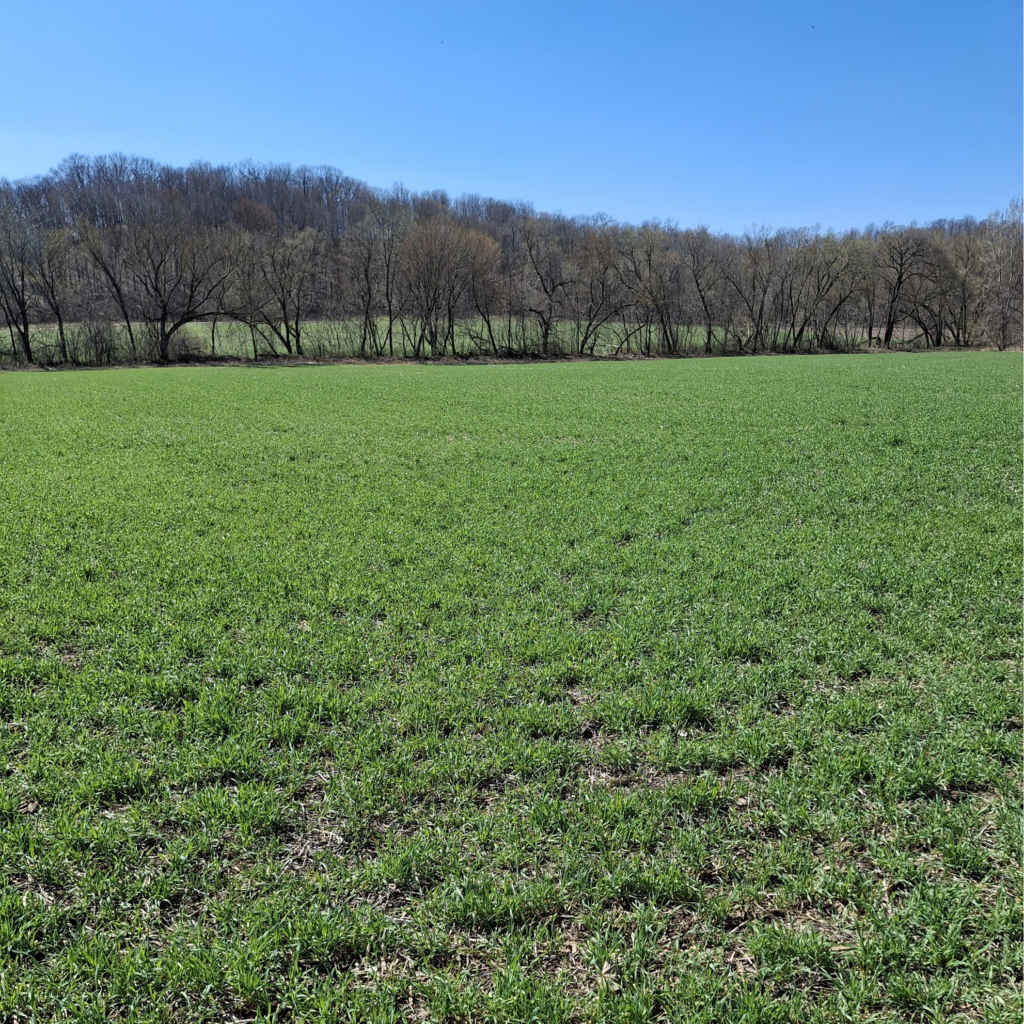
This week in Ellsworth it has been all about getting seed, starter, and chemicals out the door. This weekend looks chilly and rainy, but we will see what happens. I anticipate some people will be planting next week!
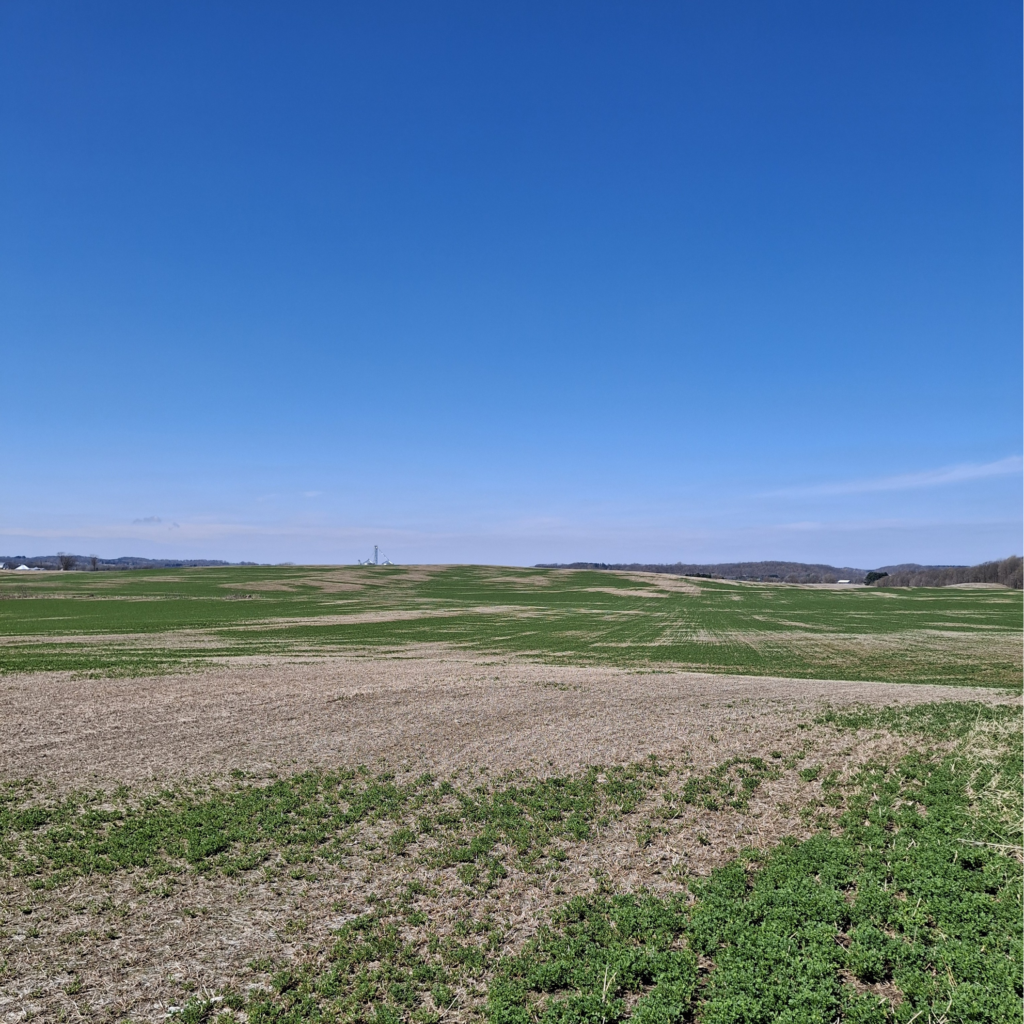
Alfalfa has been a hot topic this week. As you can see in the picture above, this winter was not nice to our alfalfa and winter wheat. The alfalfa acres that were cut late are 50%+ dead. Both alfalfa and wheat have the same thing going on. We had a warm spell and rain this winter, where it melted a lot of the snow cover that we had. It then got super cold for a week, and the plants just couldn’t handle the cold without the cover. If you’re seeing this out in your fields reach out to your Ag Partners Agronomist to discuss and come up with a plan.
The cold weather did not seem to affect the winter rye like it did the alfalfa and winter wheat. As you can see in the picture below, the rye is green and growing fast. Don’t wait too long to get these cover crops sprayed off. You do not want them robing too many critical nutrients and water from the upcoming corn crop. Hope all is well and stay safe out there this spring! – Chace