Week of May 18, 2026 Local, professional reports straight from the field, from all regions serviced by Ag Partners.
Meet this week’s featured Agronomists & AYS Specialists:

Le Center, MN

Goodhue, MN

Stewartville, MN

Osseo, WI
MINNESOTA – WEST
Belle Plaine – Le Center – Le Sueur – Morristown – Traverse
As planting season and pre-emergence herbicide applications wrap up, we are now transitioning into post-emergence herbicide season. Taking a proactive approach to weed control will be critical for protecting yield potential and maintaining clean fields throughout the growing season. Scouting fields early and often remains one of the best ways to ensure timely applications, as weeds are easiest to control before emergence or while they are still small.
Planning ahead during spray season is also important. We encourage growers to secure herbicide products in advance and contact us at least two days ahead of desired custom application timing so fields can be sprayed promptly. Before spraying, be sure sprayers are recalibrated, nozzles are correct for the products being used, and equipment is thoroughly triple rinsed when switching between products or crops to prevent contamination and crop injury.
Proper application practices play a major role in herbicide performance. Always follow label recommendations, use proper mixing procedures, and apply enough carrier volume to achieve good coverage—15 GPA in corn and 20 GPA in soybeans is recommended. Selecting the proper PSI and environmental conditions will also help improve weed control and reduce the risk of off-target movement. Safety and stewardship should remain top priorities throughout application season. Always wear the proper PPE and be mindful of wind, temperature inversions, and sensitive neighboring areas to help prevent herbicide drift and non-target damage. If you have any questions regarding herbicide programs, application timing, or custom application scheduling, please reach out to your local Ag Partners Agronomist. – Matt
MINNESOTA – EAST
Goodhue – Kenyon – Lake City – Pine Island – Wanamingo
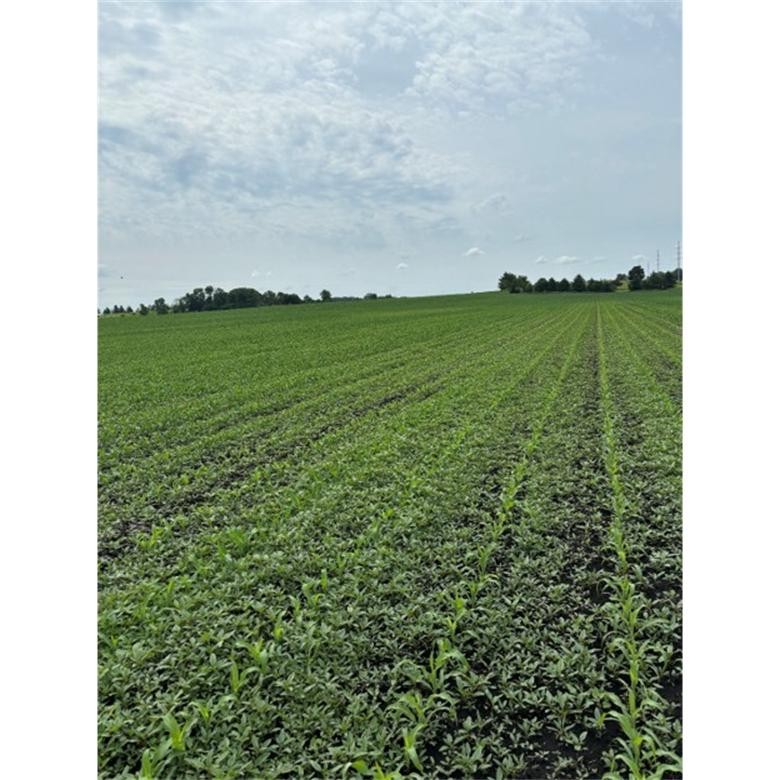
We are officially into spray season. With the recent rain events and steady GDU accumulation, corn and soybean crops across the area are really starting to take shape. If you haven’t already, now is a great time to get out and check emergence on earlier planted fields.
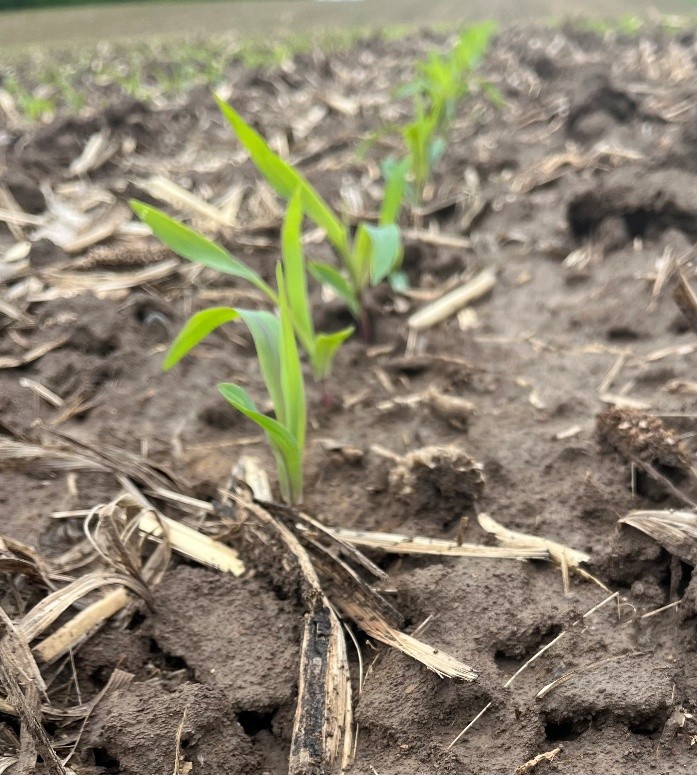
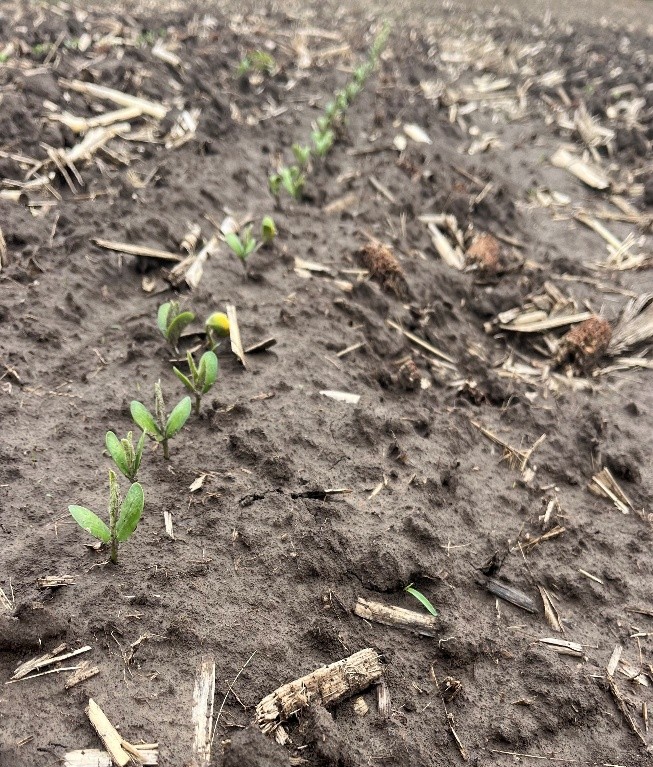
Many soybean fields in the area were begging for moisture — and thankfully, they got it just in time. With warmer temperatures and more chances of rain in the forecast, crops aren’t the only thing ready to grow. The weeds are about to take off too. If you listen closely while scouting fields, you can almost hear the weeds saying, “Thanks for the rain.” Unfortunately for them, sprayer season is officially here.
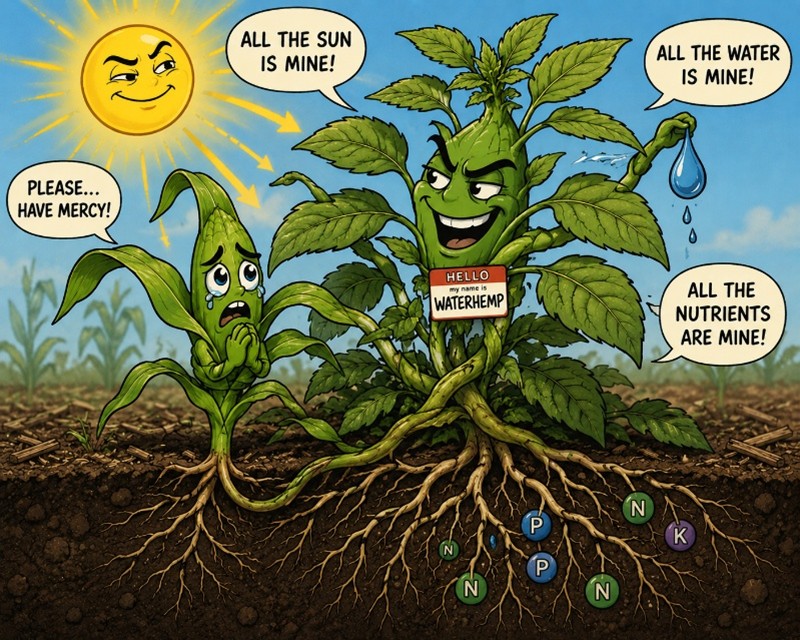
A few things to remember before loading up and heading to the field:
- Tank mix order matters! Every year it happens, and you do not want to be the person with cottage cheese in the spray tank.
- Weeds are much easier to control when sprayed under 2 inches tall.
- Layering residuals can help provide more consistent control on later-emerging weeds.
- Wear your PPE and stay safe — no herbicide program is worth risking your health over.
As always, reach out to your Ag Partners agronomist with any questions about weed control programs, tank mixes, or field concerns this season. – Hayden
MINNESOTA – SOUTH
Elgin – Lewiston – Stewartville
Delayed/Uneven Emergence and Crusting
Planting season is pretty much wrapped up and we’ve spent the last couple weeks monitoring crop emergence and evaluating final stands. The recent rains helped soften the crusted soils and final emergence on most fields seems to be acceptable. Rain totals varied throughout the region with some areas receiving much higher rainfall totals than others. As we wait for the fields to dry out, it’s time to give full attention the next segment of our row crop growing season – post herbicide spraying.
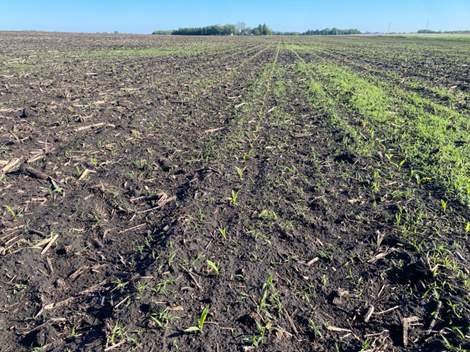
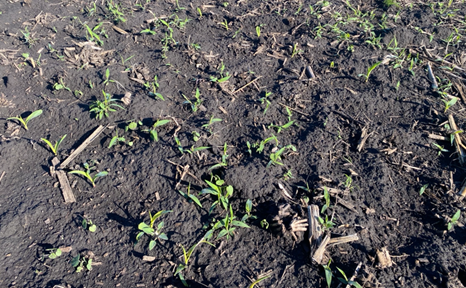
Hopefully most of us will be getting into corn post herbicide application next week. In 2026, the planting season was spread out a little more, so scouting and timing the post spray applications will require a little more effort and good communication. In addition to this, the drier conditions during earlier planting may have led to some inconsistent pre-emerge herbicide effectiveness. However, with the recent rain received, weed growth will kick into high gear very quickly as the temperatures warm up.
Here are some weed emergence pictures from 05-20-2026:
Weed competition is a known aggressive yield robber. The key is to scout fields and time herbicide applications as accurately as possible. Yield loss is permanent once corn experiences early-season weed stress. The critical period to keep corn weed-free to prevent yield losses is between the V3 and V8 leaf stages. Minimizing yield losses to less than 5% in corn from weed competition should be a target to aim for. A big part to achieving this includes controlling the weeds when they are SMALL!! Herbicides are more effective and weeds are generally easier to control when they are small.
The chart below shows data indicating yield losses as weed height increases.
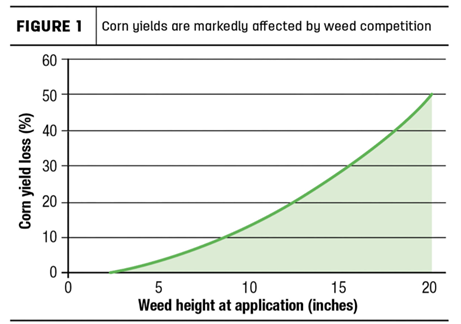
The difference between eliminating weeds at 5 inches and 10 inches might not seem like a lot, but it represents around a 10% difference in yield. In a cornfield with 250-bushel yield potential, that’s 25 bushels. If the corn price is $4.25, multiply that by 25 bushels and you get over $100 per acre of potential revenue loss. If you have any questions or need assistance staging your crop or weed stage, please reach out to your Ag Partners agronomist. Finally, thank you for your business! We appreciate it! -Gary
WESTERN WISCONSIN
Durand – Ellsworth – New Richmond – Osseo
Spring 2026 in western Wisconsin has brought challenging and highly variable conditions. A slow, cold start delayed crop and forage growth, while recent heat has improved alfalfa stands to green up as row crop planting nears completion. Alfalfa stand evaluations have varied widely regardless of stand age, with growers seeing cases of frost heaving, crown rot, and winterkill. In some situations, damage has been severe enough to push some changes in crop plans and field rotations.
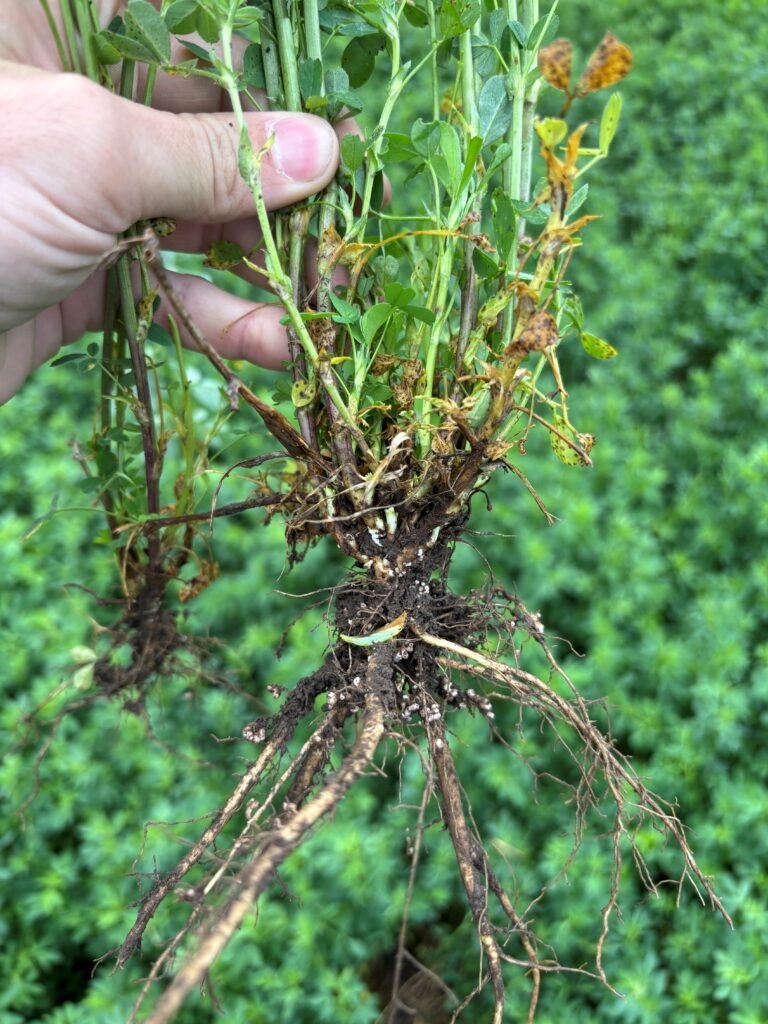
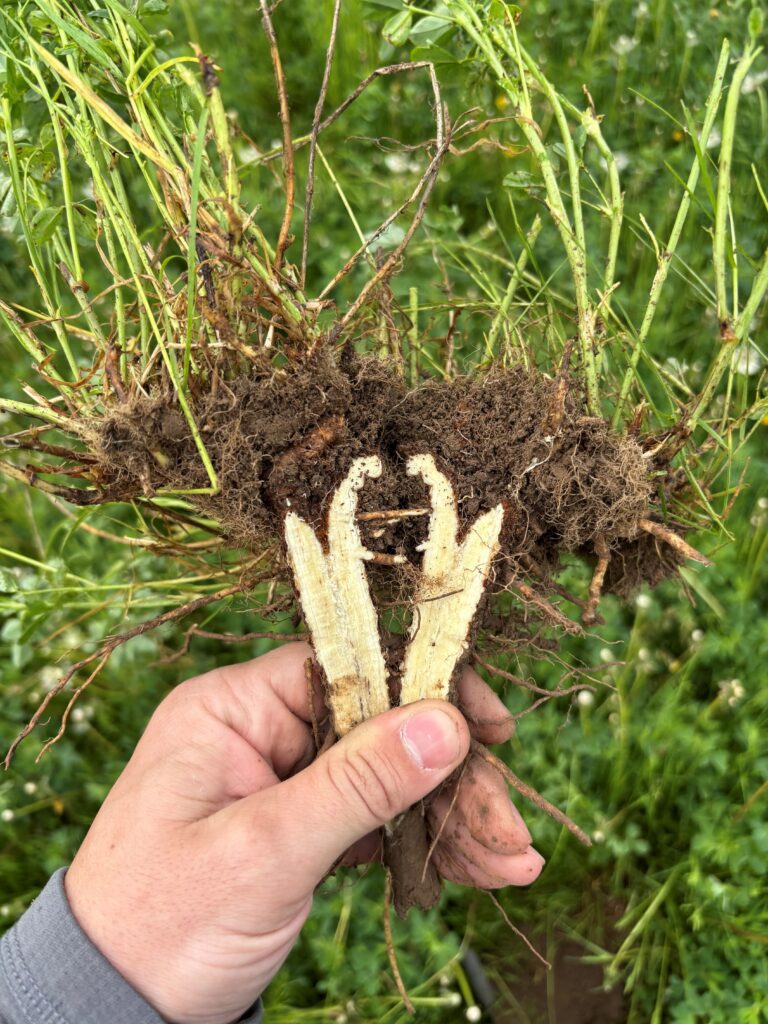
The cool, wet spring has also raised concerns about sidewall compaction and emergence issues in row crops where planting occurred under marginal conditions. Early-planted soybeans in heavier soils are showing uneven emergence and inconsistent stands, especially in wetter areas that struggled to dry out adequately before fieldwork began. -Kyle