Week of May 4, 2026 Local, professional reports straight from the field,
from all regions serviced by Ag Partners.
Meet this week’s featured Agronomists & AYS Specialists:

Morristown, MN

Lake City, MN

Lewiston, MN

Durand, WI
MINNESOTA – WEST
Belle Plaine – Le Center – Le Sueur – Morristown – Traverse
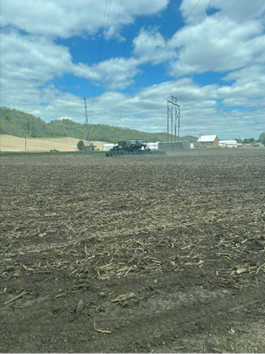
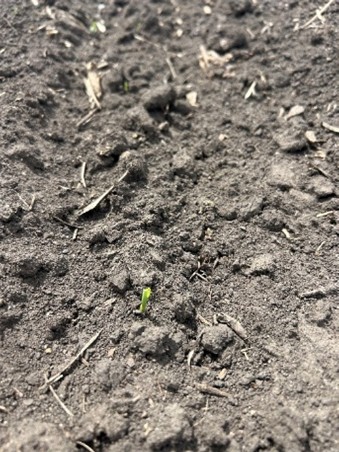
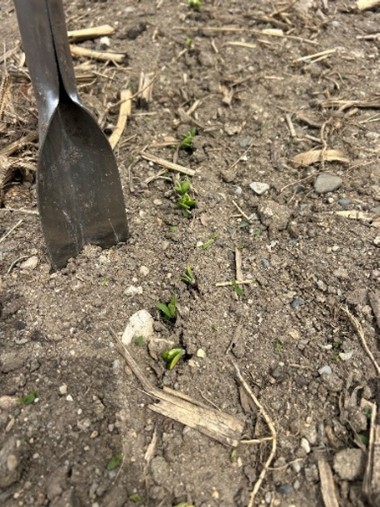
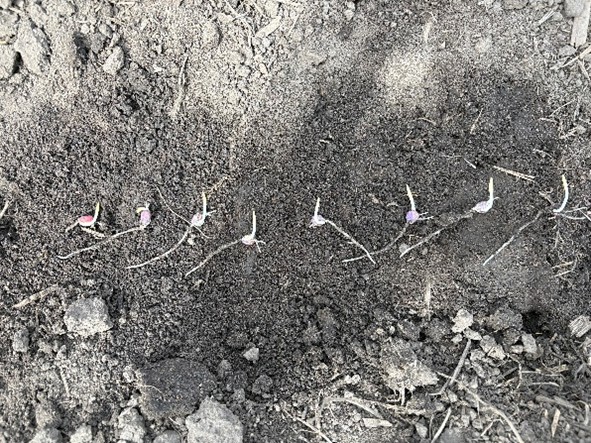
Spring is chugging along! First full week of May and we are about wrapped up with spring fertilizer and corn pres. We have also gotten a strong start on the soybean pres. Now all we need is a shot of rain and these pesky cool days to disappear. Fields planted around April 20th are starting to emerge and we are seeing mixed results. Most of it looks pretty good, but we are seeing some uneven emergence due to the cooler temperatures. This week we are experiencing a couple of nights get down to about 30 degrees, which does also increase the chances of seeing some uneven or spotty emergence. We will continue keeping an eye on these fields as they begin to emerge to evaluate any possible damage. – Carly
MINNESOTA – EAST
Goodhue – Kenyon – Lake City – Pine Island – Wanamingo
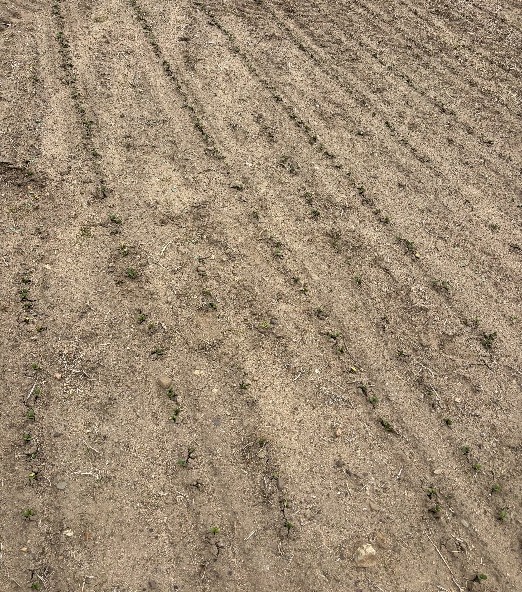
With below freezing temperatures on Wednesday morning, the question of seedling damage arises. With that being said, if temperatures do not get below 30-31 degrees, I wouldn’t expect to see much damage to the young seedlings. It is best to wait 3-5 days to assess any potential damage.
Even with these colder temperatures weeds continue to emerge. Therefore, make sure to get ahead and stay ahead of any weed pressure! Applying a pre-emerge after soybeans are planted is a crucial step for a successful weed control program. As always, feel free to reach out to your local Ag Partners Agronomist with any questions or concerns. Best of luck to everyone with the rest of planting season! – Ethan
MINNESOTA – SOUTH
Elgin – Lewiston – Stewartville
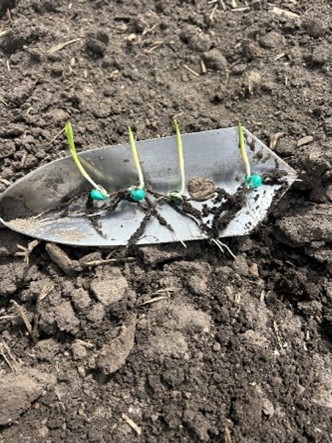
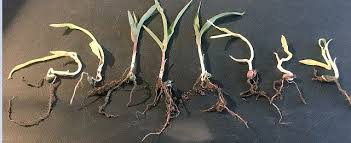
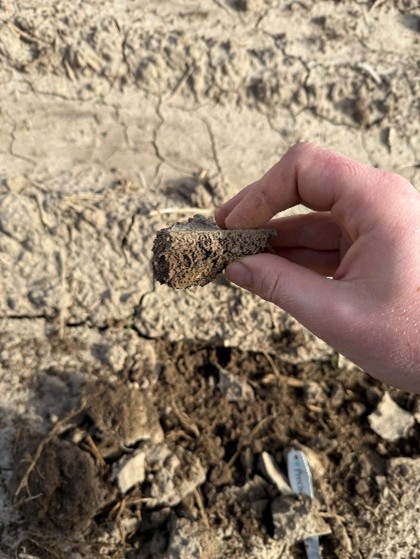
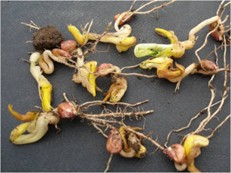
The southeast geography has had an outstanding start to the 2026 growing season. Good moisture to start, dry spells which allowed us to get in the field, and many planters already put away! With the early moisture, cold weather, and now an extended dry period, there are concerns of crusting, cold shock/imbibitional chilling, and sidewall compaction. Imbibitional chilling is the cellular disruption during the initial germination process. We want the first drink of water to be 50 degrees Fahrenheit or greater. The picture below shows the effects of cold-water uptake at germination.
There is some post planting tillage happening out in the country today. Spotty rain events have crusted fields in some areas throughout the geography. If the coleoptile or first true leaf starts curving under the crust, you better pull the rotary hoe out of the weeds! I hope everyone is having a safe and efficient spring! – Tye

WESTERN WISCONSIN
Durand – Ellsworth – New Richmond – Osseo
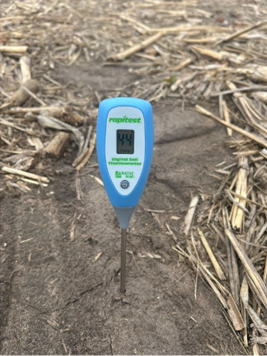
This spring has certainly kept everyone guessing across western Wisconsin. We went from warm and wet conditions to cold and dry in a hurry, and now many growers are weighing whether to keep rolling or pause and wait for conditions to improve. Over the last several days, a lot of corn and soybeans went into the ground as fields opened up. Anytime a planting window appears this time of year, it makes sense to take advantage of it where conditions allow. At the same time, some fields are still on the edge, and this weather pattern continues to create some challenges. Overnight lows have dipped into the low 30s, daytime highs have mostly stayed in the 50s, and soil temperatures have often remained in the 40s during the mornings.
For corn especially, cooler soil conditions can slow emergence and increase the risk of uneven stands or early-season stress. While every operation and field situation is different, this may be one of those springs where patience and field-by-field decision making pay dividends later in the season. Time will tell.
The encouraging news is that we are not significantly behind, and forecasts are pointing toward a warmer pattern ahead. One good stretch of weather can change things quickly this time of year. Once temperatures improve, planting progress will accelerate rapidly, crops will emerge fast and weed pressure will likely follow right behind.
Now is a good time to make sure spray plans are ready, herbicide programs are lined up, and logistics are in place so you can move quickly when conditions turn favorable. The next good window may move fast. The growers who stay flexible, remain patient where needed, and focus on planting into fit conditions will put themselves in a strong position as we move toward June. – Axel