
Week of June 8, 2026 Local, professional reports straight from the field, from all regions serviced by Ag Partners.
Meet this week’s featured Agronomists & AYS Specialists:

Le Center, MN

Goodhue, MN

Pine Island, MN

Ellsworth, WI
Kernel to Kernel with Tanner
DKC101-33SSPRO / 101-35VT2P
DEKALB – 101 day
The first hybrid I’ve chosen to focus on is one of our top-selling products across the entire Ag Partners geography. Growers not only in our geography, but across the country have seen exception yield and performance out of this 101 day from Dekalb. Dekalb 101-33/35 is a hybrid that comes in a SmartStaxPro and a VT2P offering.

Seed Lead
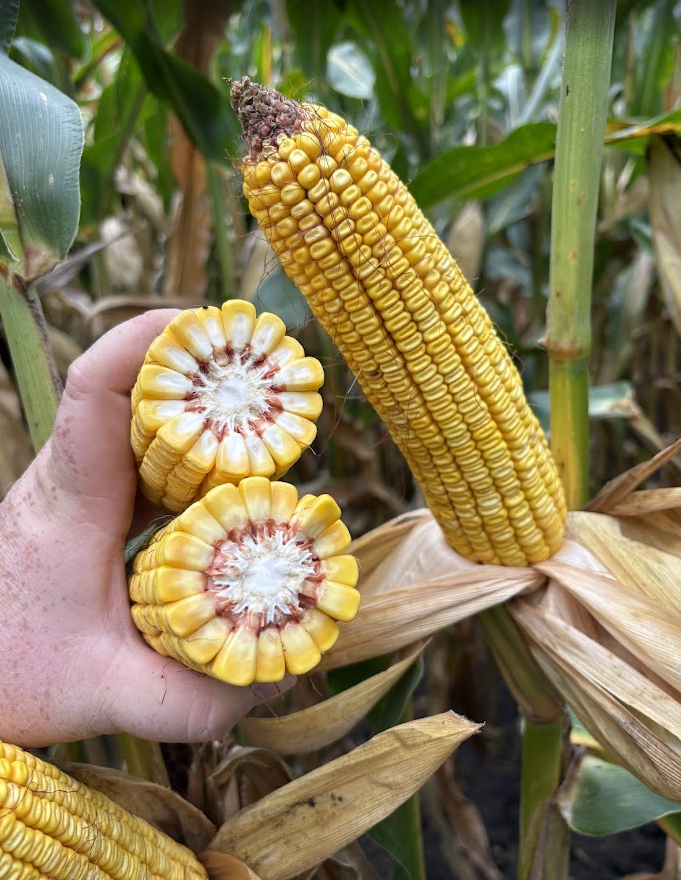
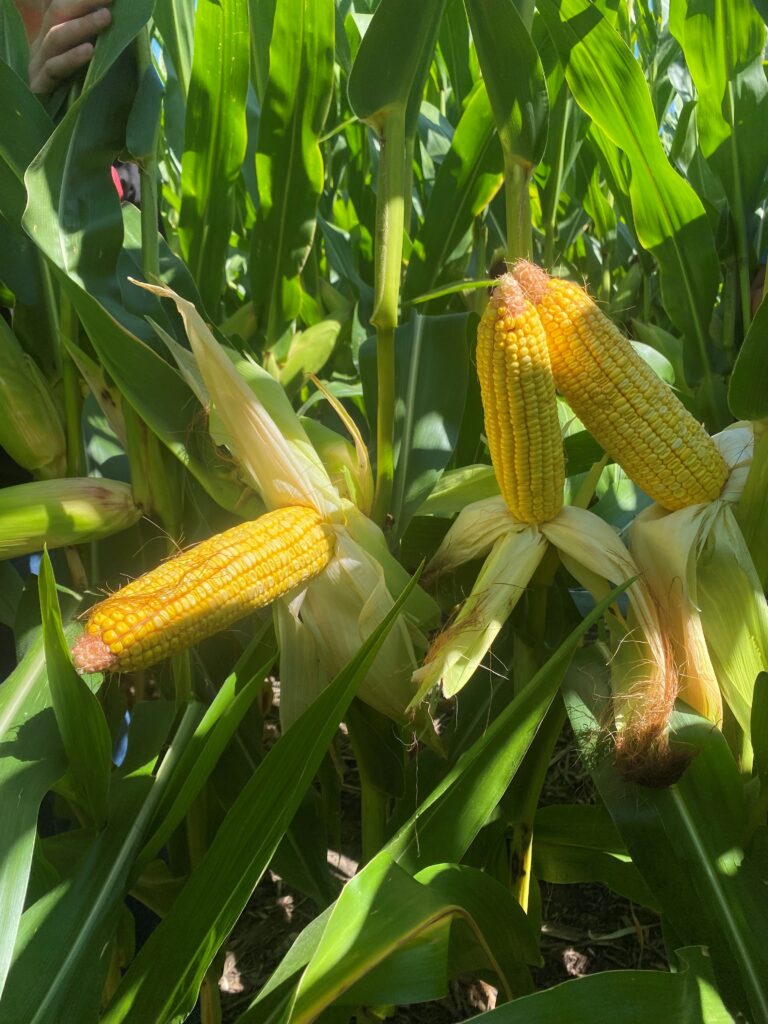
Tanner’s Top Takeaways:
→ Suitable to go on extended corn on corn acres or on the rotated acre.
→ A medium plant stature that works well especially in Wisconsin or after rye as a silage option.
→ Great ear flex, giving you flexibility on planting populations.
→ It likes nitrogen. I have seen it perform exceptional with manure history or by adding just a little bit more nitrogen when side dressing. It has a nice-looking late season appearance and staygreen.
→ To help that plant finish out, I would recommend applying a fungicide. With all the disease we have had, fungicide must be part of the farm plan. In 2025, I was shocked to see how well it handled Southern Rust and other diseases and still be a top yielding hybrid.
→ The only watchout would be do not plant this hybrid first! If you can wait for warmer temps and better planting conditions, I would recommend that. I personally have not seen bad emergence with it, but the Dekalb Agronomists and some of my colleagues have seen some challenges when planted in too cool of conditions. Catch you on next weeks seed spotlight! – Tanner
MINNESOTA – WEST
Belle Plaine – Le Center – Le Sueur – Morristown – Traverse
Hopefully, the growing season is going well for you so far—it looks like we are all off to a pretty great start! We’ve been fortunate to have adequate moisture and heat, setting the crop up for great potential. It is hard to believe that seed was still in the bag just two months ago!
Just a quick reminder, please make sure all boxes, pallets, and seed returns are in by June 15th. It’s been a fantastic season working alongside you and can’t wait to help you out with your seed needs for 2027. If you have any concerns about your crop, do not hesitate to reach out to your Ag Partners Agronomist—they’re ready to help you work through any challenges. Thanks for such a great seed year and best of luck on a prosperous 2026 crop! – Connor
MINNESOTA – EAST
Goodhue – Kenyon – Lake City – Pine Island – Wanamingo
As fate has it, June 10th , Happy Anniversary Christine, is always one of the busiest spray days. There is corn, soybeans, oats, alfalfa, and sweetcorn to spray. With the exception of alfalfa, we are spraying weeds, and some can be tall.
In 2025, we saw tremendous challenges with waterhemp in corn and soybeans. All were due to either weather, rates of chemical, and/or adjuvants. We are dealing with resistant weeds. We need to be aggressive and treat our chemicals like a conventional herbicide to make them work at full efficacy.
For all post emergent herbicides, I recommend an oil, with the exception of Sterling Blue (dicamba) on corn and Brox (Buctril) for oats. Interlock/Masterlock help reduce spray droplet fines, that will evaporate. If 7% of your spray solution evaporates or moves off target, that makes weed control more difficult. When we reduce the fines, we reduce drift. That is why Interlock/Masterlock are so important to the spray solution. I was fortunate enough to look at Class Act in research trials at UW-River Falls over 25 years ago. The Cornsorb Technology is absolutely worth the small cost for the added benefit for weed control.
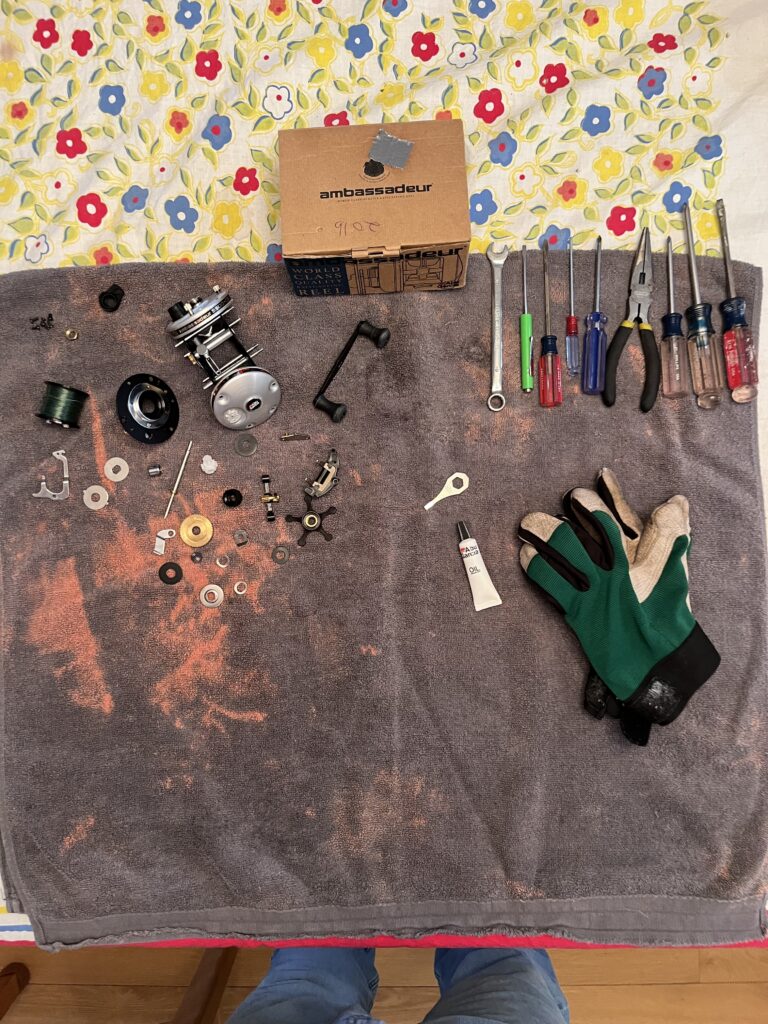
Some herbicides like MSO, some like crop oil, and a couple like only surfactant. Saving cost on adjuvants reduces your weed control efficacy. Your Ag Partners agronomy team will help you get the correct additives for your herbicide application. When it comes time to spray, don’t forget a piece and find out when it is too late, just like my fishing reel. – Chris
MINNESOTA – SOUTH
Elgin – Lewiston – Stewartville
The Pine Island the crops are growing fast. I had a customer in last week who is 5’6” who said, “My crops grow faster than anyone else’s to knee high”. Soon corn will be canopied and weed escapes will be hard to find. We just finished our last corn post spaying with Resicore at V5. We have had some issues with ragweed control, germinating later or from over 3” deep.
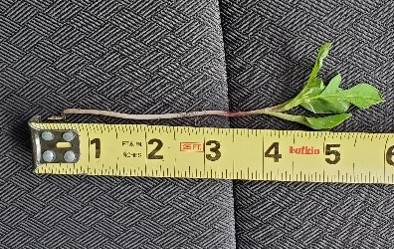
To help combat these weed issue, for 2026, we tried some fields with a Syngenta product called Storen.
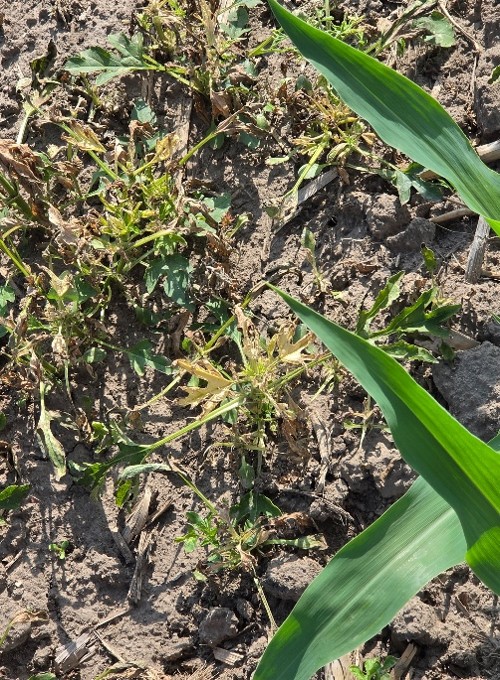
Roundup 24oz + Class Act
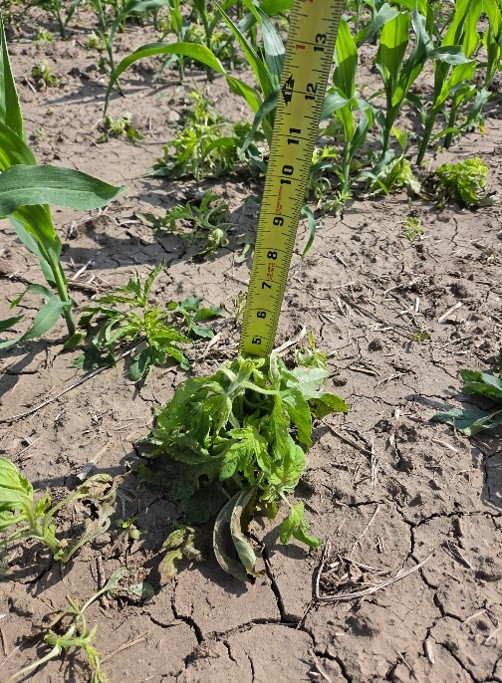
Roundup 24oz + Class Act
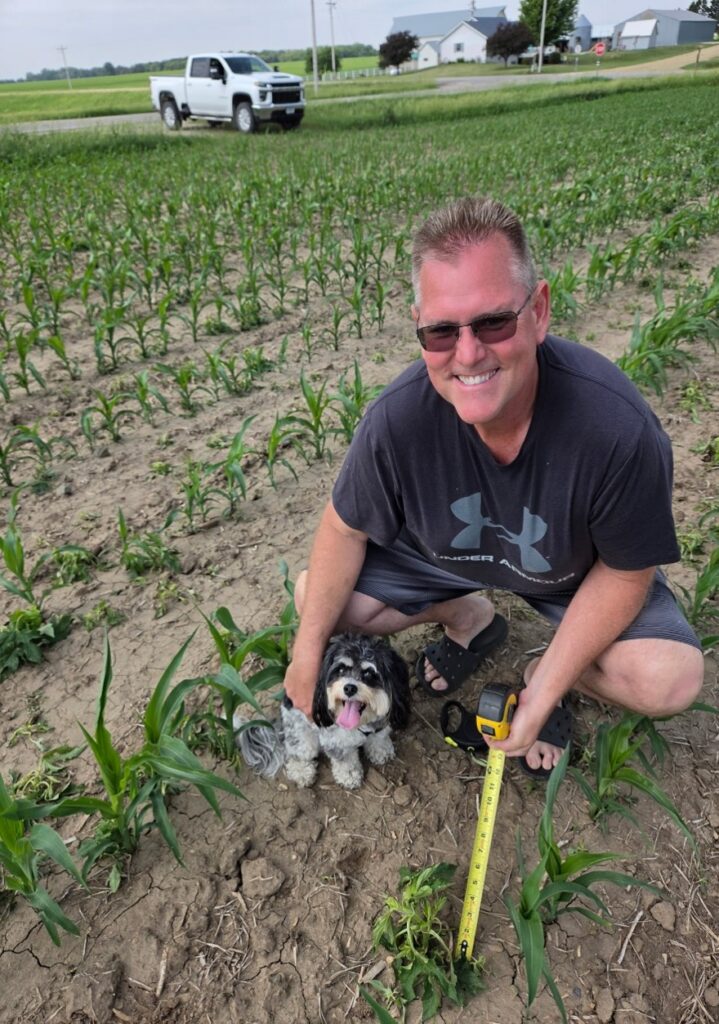
The picture on the left is dying, but slowly. We decided to add Stinger for quicker results, pictured on the right. The Storen has an ingredient of Bicyclopyrone that we have not used in our area. It will be interesting to watch the residual work. My trusty companion Shep told me the weeds look like they are dying. As always, BE SAFE. – Chad
WESTERN WISCONSIN
Durand – Ellsworth – New Richmond – Osseo
Happy second week of June from Wisconsin! Tis’ the nitrogen side-dress season. Currently, we have been busy working on second pass nitrogen and second pass corn chemical. Corn is finally getting off its seed resource and is transitioning to the roots to provide that beautiful dark green tint we all strive for. With the GDU’s and lack of rain our crops are pushing ahead of normal. This year we are recommending Enhanced Learning Blocks for nitrogen sidedress trials, to give us a great database on what should we be applying for max use efficiency. Our goal is to find what is not enough nitrogen and what is to much. It looks like we should be able to have over 500 data points on just nitrogen alone this fall in Pierce, St Croix, and Dunn Counties, over many different soil types. We all know nitrogen prices have increased significantly over the last 4 months and this data will give us a pinpoint range over different rotations, that will be analyzed by cost per acre and cost per bushel per acre.
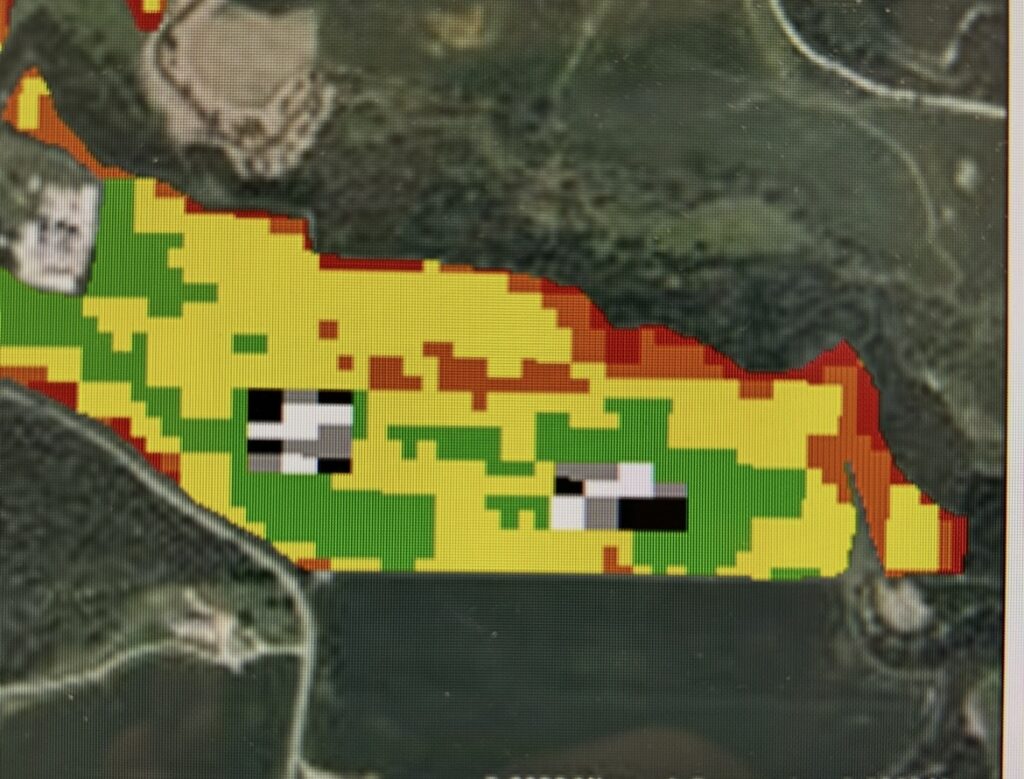
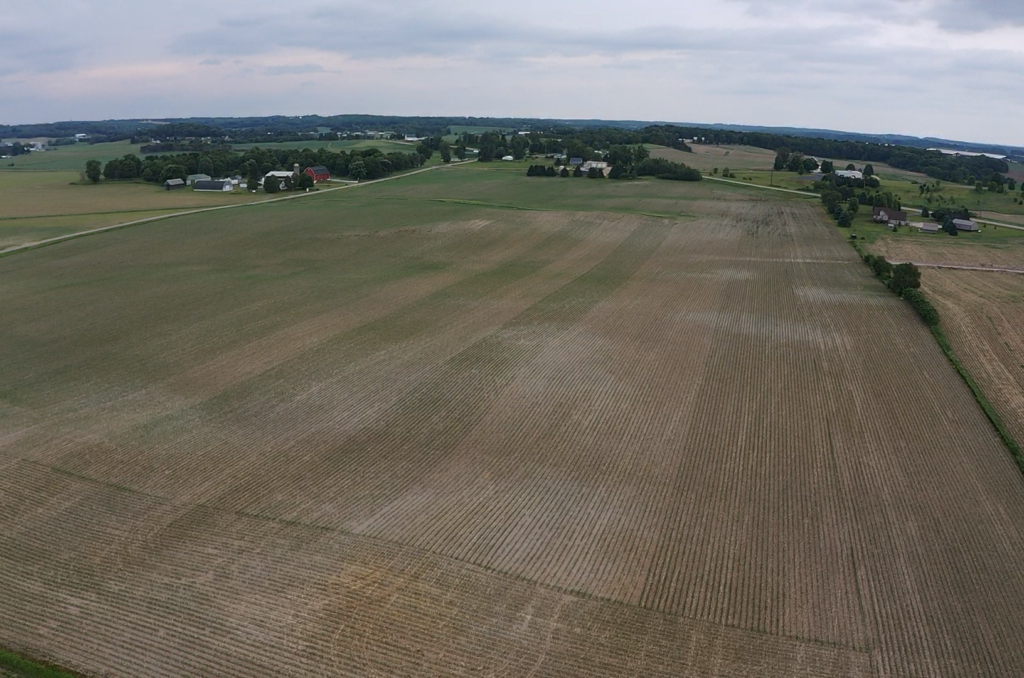
Pictured below is a drone picture of a starter trial where the starter fertilizer was turned off and the visible difference in crop development is very evident. Crop stage was 1 leaf behind where the starter was turned off. We will compare bushel and moisture difference in the fall.
Sweepings alfalfa fields, we have found weevil present- but 18 inches of regrowth and rain in the forecast should push that alfalfa for what looks like a great 2nd cutting! After a tough start, soybean emergence is creeping up to the V4 growth stage but waterhemp and ragweed are making a comeback. We plan on hitting that second pass on soybeans as soon as this next rain dries up. Hope everyone is having a great week!