

Week of August 10, 2026 Local, professional reports straight from the field, from all regions serviced by Ag Partners.
Meet this week’s featured Agronomists & AYS Specialists:

Belle Plaine, MN

Wanamingo, MN

Elgin, MN

Ellsworth, WI
We hope everyone enjoys the last bit of summer and has a safe and successful start to the new school year. Our weekly Agronomy Updates will be taking a short break for the remainder of the summer. We’ll be back with our updates once harvest gets underway.
Kernel to Kernel with Tanner
B04J45V/PCE
BREVANT • 104 day
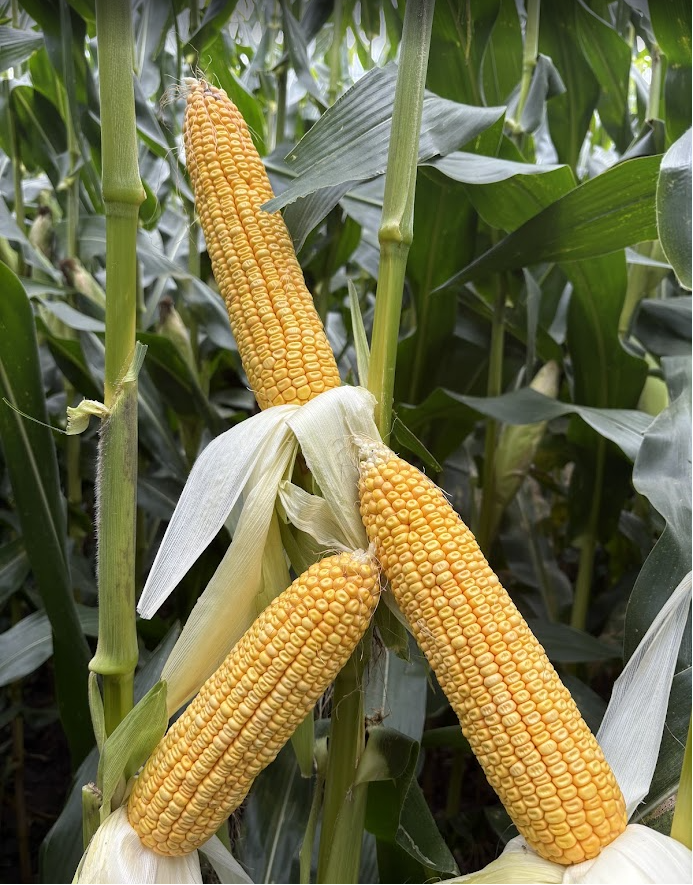
Brevant B04J45V/PCE is the last hybrid of the summer, and I will say it is my favorite in our lineup. It has been one of our top yielding corn hybrids the last couple years and I really believe it will be again this year!

Seed Lead
Tanner’s Top Takeaways:
→ Has great emergence. I have seen it planted in poor conditions and it still came up very well.
→ The ear has very good flex to it. I normally see 20-22 round with a few 18’s mixed in. This product is a white cob as well.
→ The plant health is one of the best that Brevant has in its lineup. It has handled all diseases exceptionally well! Great standability!
→ I would recommend putting this product on your most productive acre just because of the top end yield it has, but will perform across all soil types.
→ I would use this as a silage/earlage option as well. It has a lot of the same features as B08R32V, which is a new Forage Quality hybrid. B04J45 isn’t the tallest, but it is medium stature and fluffy.
Like I said before, this is my favorite hybrid we sell at Ag Partners. If you don’t have it on your farm, you need to try it! It has exceptional top end yield and very good agronomics. Please reach out if you have any questions on any hybrids I have talked about this summer or if you want to hear about any others. Thank you and enjoy the rest of your summer! – Tanner
MINNESOTA – WEST
Belle Plaine – Le Center – Le Sueur – Morristown – Traverse
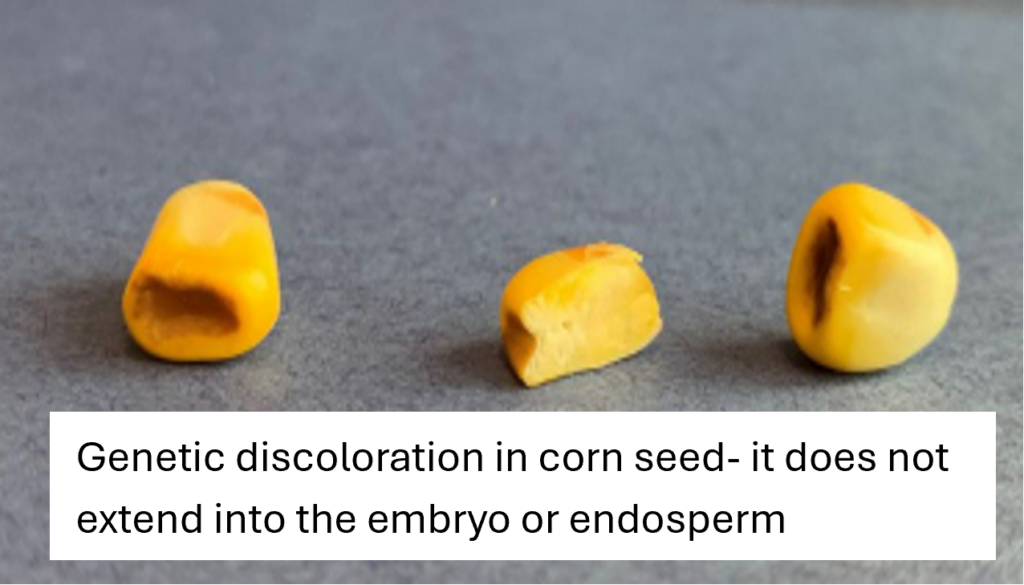
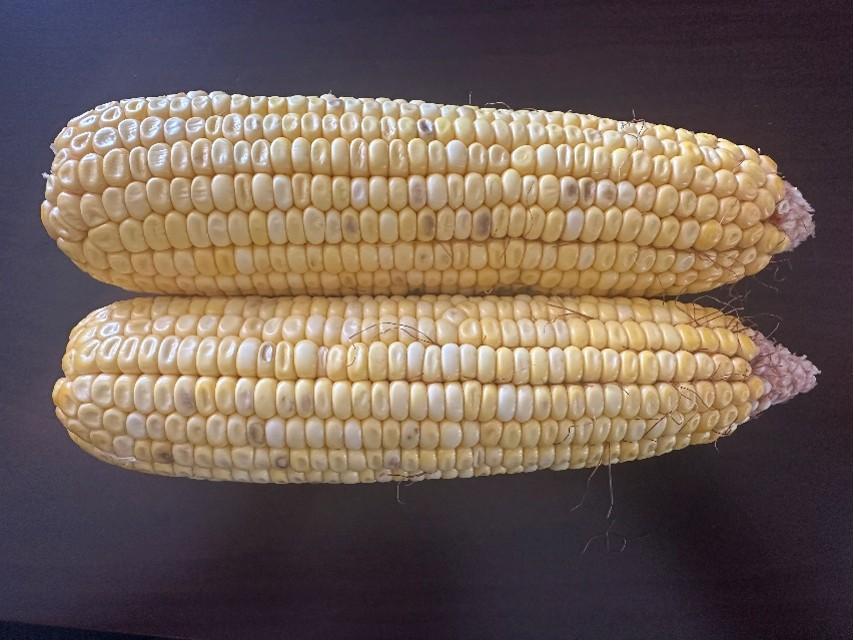
As we approach the end of the growing season, corn is beginning to reach maturity. In some fields, certain varieties are showing kernel discoloration. While this discoloration can occasionally result from diseases such as Fusarium or insect feeding from pests like stink bugs or mites, it is most often a genetic expression of the kernel.
When discoloration is genetic in origin, it is limited to the outer layer of the kernel, while the endosperm and embryo remain normal and healthy. This type of discoloration does not impact yield or grain quality.
As you scout fields, it is important to distinguish between this harmless genetic characteristic and symptoms caused by disease or insect damage. The photos below provide examples of genetic kernel discoloration. For more information or questions contact your local Ag Partners Agronomist. – Courtney
MINNESOTA – EAST
Goodhue – Kenyon – Lake City – Pine Island – Wanamingo
August has arrived and with that our fungicide rush is quickly coming to an end. Your continued crop management along with some much-needed moisture following some hot and dry weeks not that long ago, has both our corn and soybean crops looking fantastic in our area! Current disease pressure seems lower than years past, but we aren’t totally out of the woods. Therefore, we need to continue to scout fields, with big yield robbers like tar spot and southern rust being our main focus in corn.
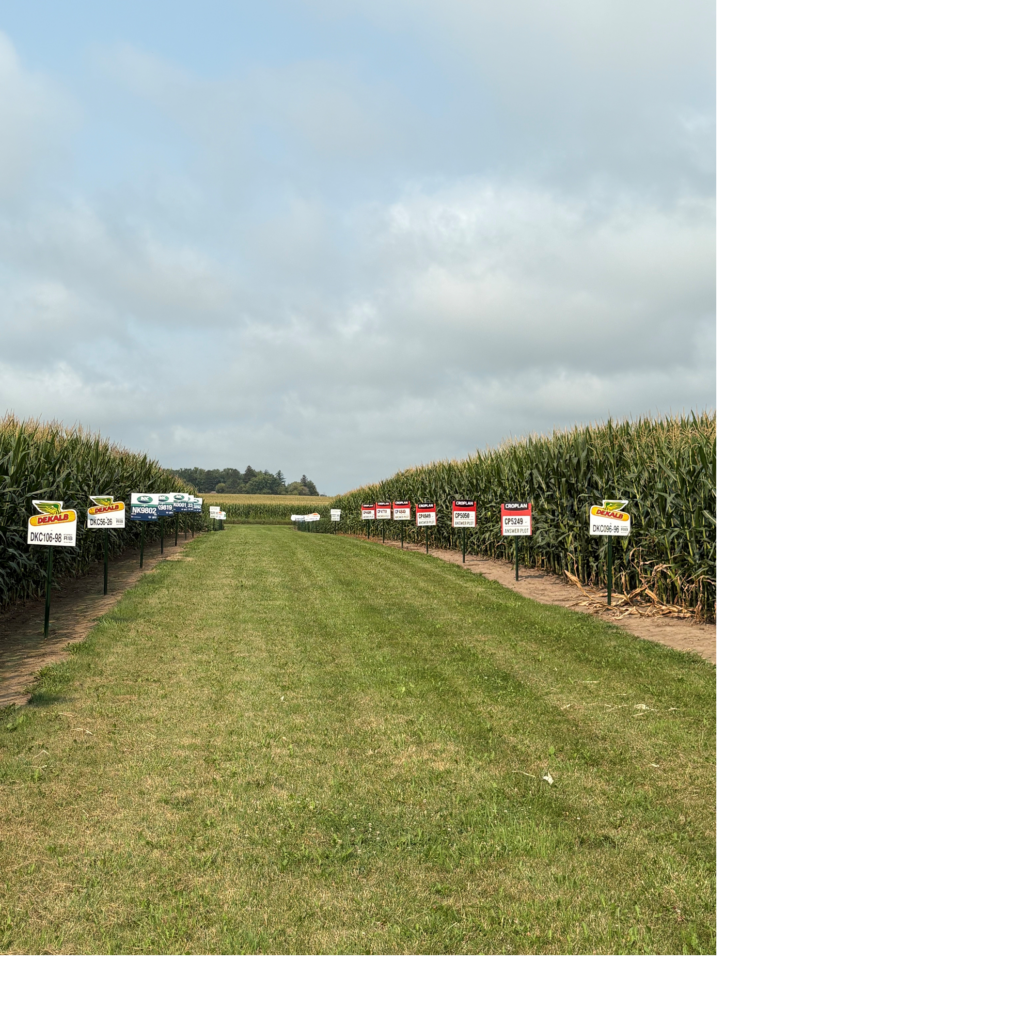
Looking forward…August also marks the time of year where we are looking ahead to 2027 seed purchases. Local Answer Plots, like the one outside of Wanamingo, are great places to start when beginning those discussions with your agronomist on what you may be interested in for next year. Yields will help confirm those discussions in a few months as well. Enjoy what’s left of summer…thank you for your continued support! – Justin
MINNESOTA – SOUTH
Elgin – Lewiston – Stewartville
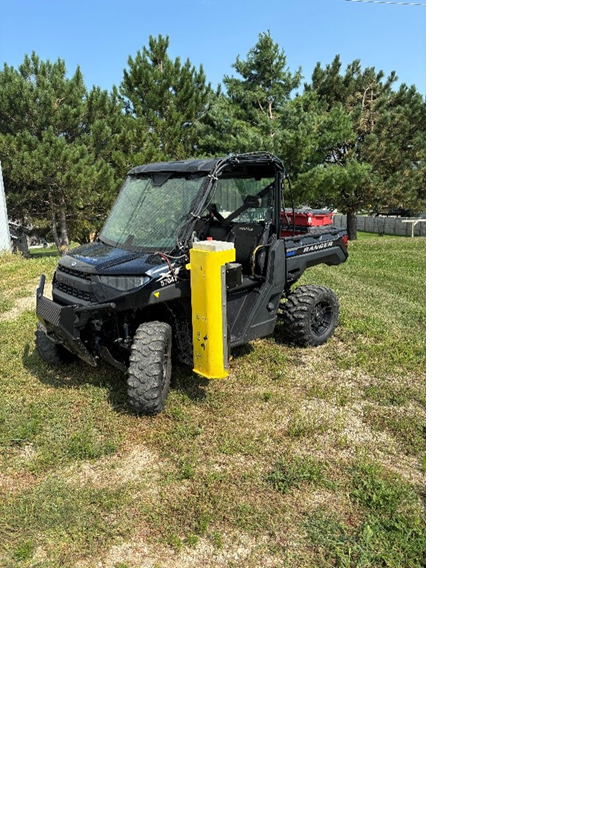
We’re into the second week of August and it’s been fun to see this crop continue to progress! Fungicide applications have wrapped up in the south region and we will continue to scout for disease that may pop up in August. We’re also starting to turn the page to the 2027 crop year, thinking about seed and fertilizer needs this fall. One of the best ways to understand how much fertilizer you need on your farm is grid sampling. Planning to soil sample every 4 years is a good way to keep track of your fertility. Grid sampling your fields gives you a better understanding of nutrient variability across a field. This allows us to create a variable rate fertilizer recommendation for your fields to make sure we are applying more fertilizer where it is needed rather than treating the whole field the same. VR fertilizer applications help improve our soil productivity and provide both great agronomic and economic benefits. Grid sampling here at Ag Partners will ramp up soon so talk to your Ag Partners Agronomist or AYS Specialist about what fields are due for sampling this fall to get on our list! – Kjersten
WESTERN WISCONSIN
Durand – Ellsworth – New Richmond – Osseo
Crops are overall looking pretty good in our territory, but we certainly could use some more moisture. You can definitely see the light spots.
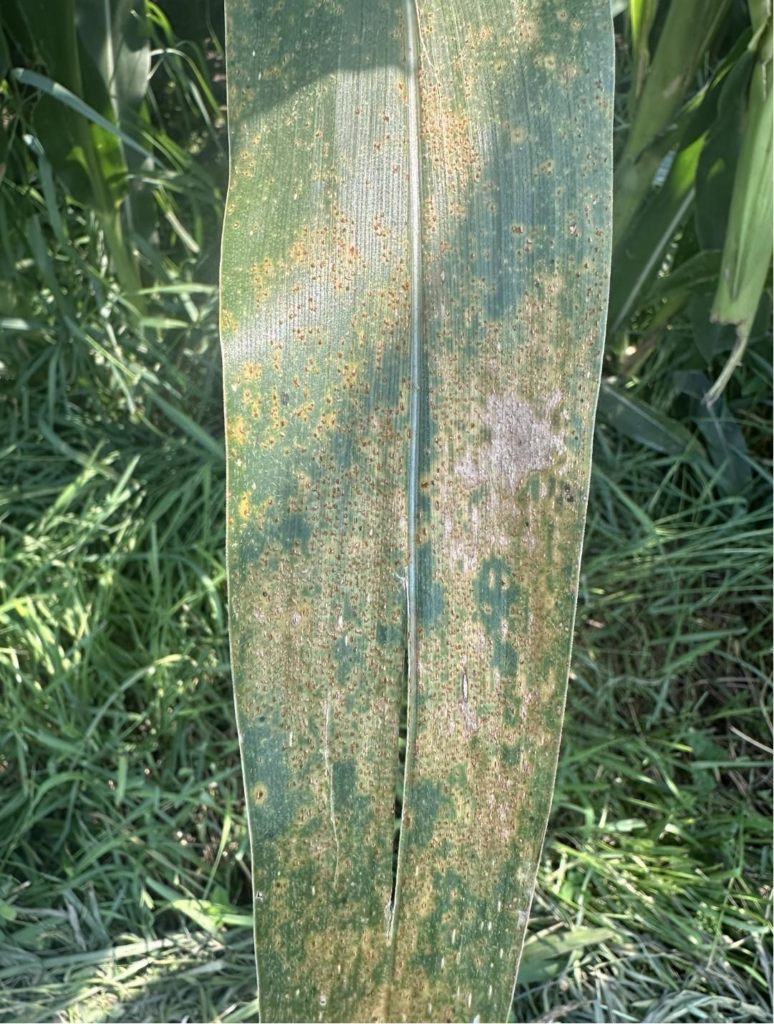
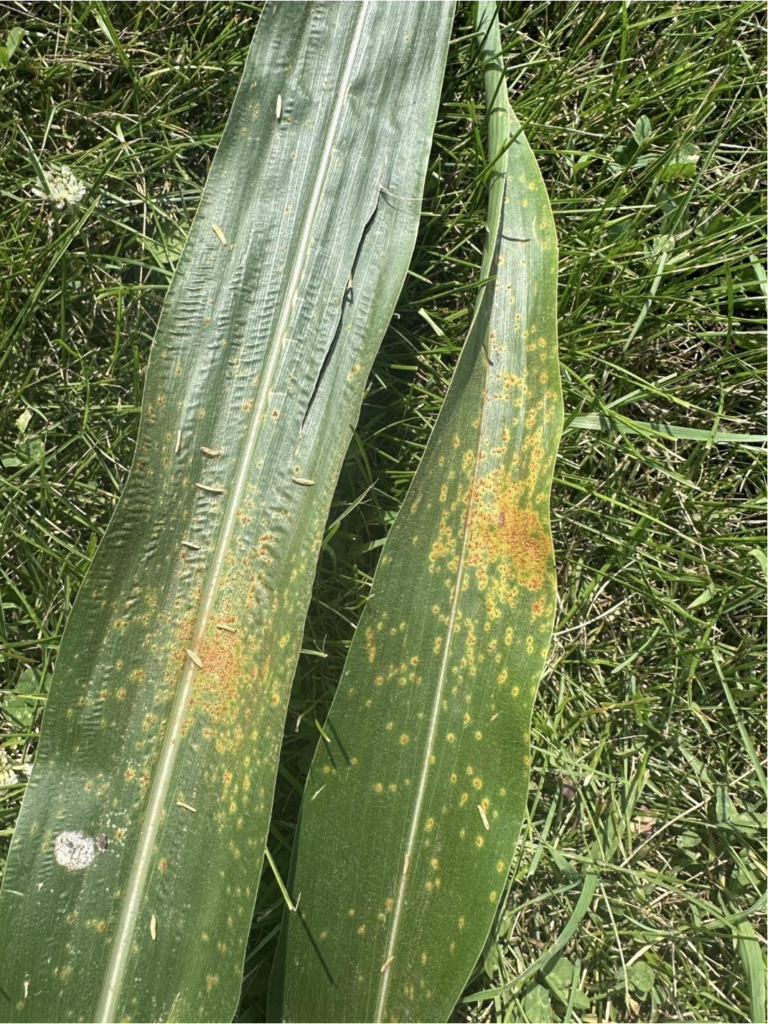
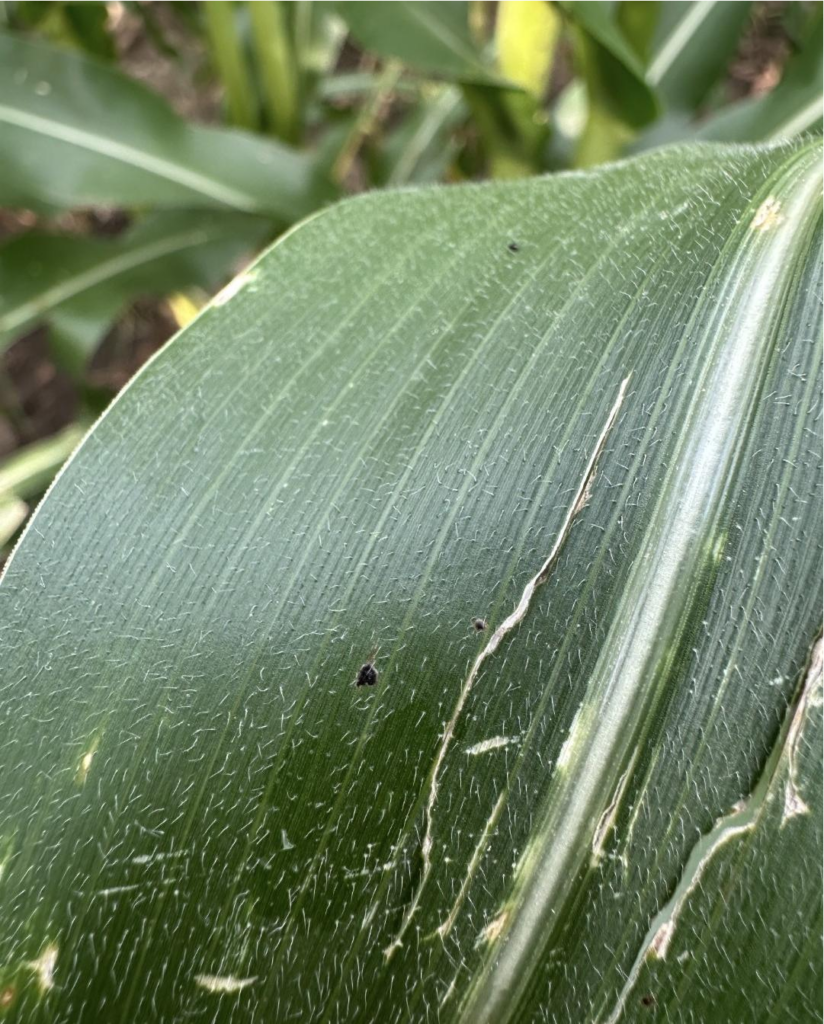
Aphids in the beans have been very low populations so it’s looking like we are in the clear there. Disease is a little different story. Pictured below are tar spot and southern rust that are in the territory. The further south you go, the worse it is. In general, if you walk into any field and if you look hard enough you can find it.
If you haven’t heard already, Ag Partners is offering 0% financing on seed + chemical and 3.9% on fall fertilizer. Get ahold of your agronomist for more details. Hope the rest of the summer goes well for everyone! – Chace