Week of August 3, 2026 Local, professional reports straight from the field, from all regions serviced by Ag Partners.
Meet this week’s featured Agronomists & AYS Specialists:

Morristown, MN

Goodhue, MN

Stewartville, MN

Ellsworth, WI
Kernel to Kernel with Tanner
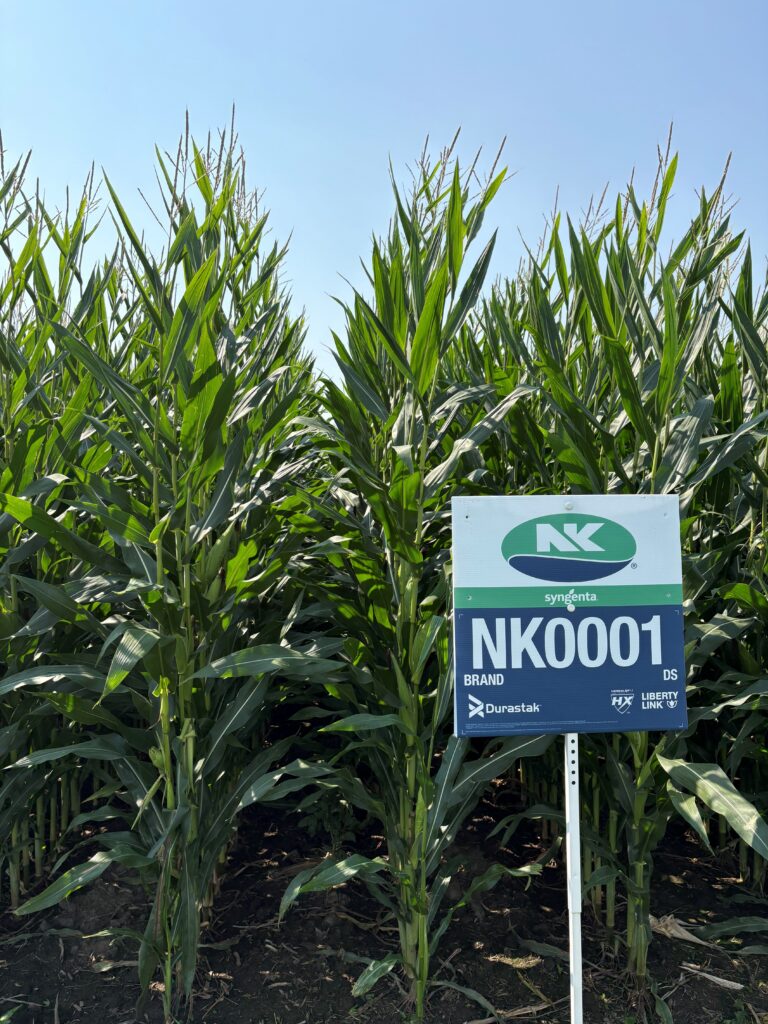
NK0001-DS
NK• 100 day
NK0001-DS is a brand new 100-day corn with new corn rootworm technology to compliment other rootworm products in the industry.

Seed Lead
Tanner’s Top Takeaways:
→ Has solid emergence. I have seen this split planted with NK0252-D in mid-April and it was a couple plants better per acre than 0252-D.
→ Plant health up to this point has looked good. I will contest that NK corn has some of the best plant health in the industry. It handled tar spot very well a few years ago and last year did very well against northern corn leaf blight and southern rust.
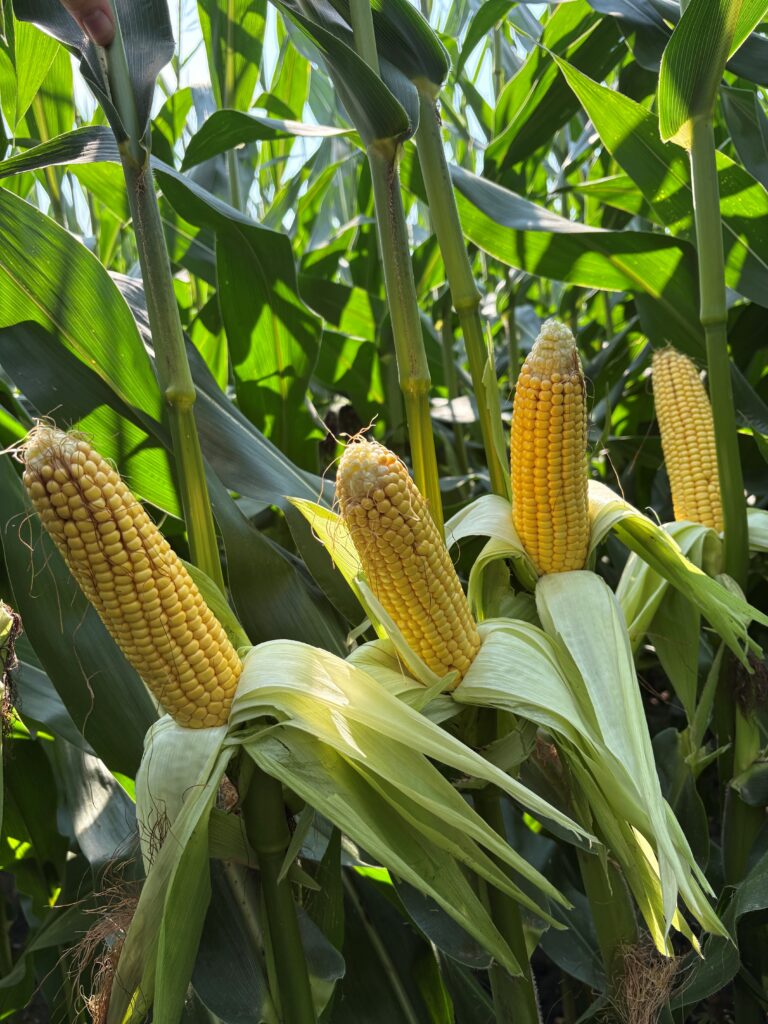
→ Ear type says its semi-flex but it looks very similar to 0007-AA. I’m looking forward to seeing it in the Answer Plots population trial to see what population will work best.
→ Plant type has that upright leaf style comparable to NK 0123-AA.
The last thing I wanted to touch on was the Durastak trait. Durastak is a new trait technology featuring three below-ground BT traits, compared to the two BT traits plus RNAi found in SmartStax Pro and Vorceed. In heavy rootworm feeding fields and the need for corn, I would recommend rotating between Durastak and SmartStax Pro or Vorceed. That will give you a true rotation to combat corn rootworm populations and maximize yield. Durastak is some very exciting technology to help manage the risk of resistance. – Tanner
MINNESOTA – WEST
Belle Plaine – Le Center – Le Sueur – Morristown – Traverse
Click below to join Joe Dee for an update from the field.
MINNESOTA – EAST
Goodhue – Kenyon – Lake City – Pine Island – Wanamingo
As we move through August here in Goodhue County, our crops are looking very good despite the limited rainfall we’ve received recently. Overall, corn and soybean fields have held up well, and we’re beginning to wrap up management decisions for the 2026 crop while already looking ahead to the 2027 growing season.
Now is one of the best times of the year to climb into a pickup and take a crop tour. Better yet, invite your agronomist along. Visit your best field, then your worst field. Compare them side by side and ask the important questions: What management practices paid off? Where did challenges arise? Were there differences in planting conditions, fertility, drainage, hybrid or variety selection, weed control, or disease pressure?
The crop is telling us a story right now. Every field has lessons to offer, whether it’s confirming something that worked or highlighting an opportunity to improve. Taking notes, snapping pictures, and discussing observations today can lead to better decisions tomorrow.
As we begin planning for 2027, now is also a great time to think about soil sampling, reviewing fertility programs, evaluating hybrid and variety performance, or changes in management. The best management decisions for next year often start before this year’s crop reaches the combine. The 2026 crop has written its story. Now is the time to learn from it and begin writing an even better one for 2027. Have a great rest of the summer! – Hayden
MINNESOTA – SOUTH
Elgin – Lewiston – Stewartville
Start Planning for 2027 with Ag Partners Financing
Believe it or not, 2027 is right around the corner. Now is the time to start planning for next year’s seed, fall fertilizer, and prepay needs. Ag Partners offers competitive financing solutions designed to help make your planning and purchasing decisions easier. As an added benefit, the $250 application fee for our Secure financing platform will be waived throughout the entire month of August. That means if you apply during August, your application is completely free!
In addition, Secure is offering 0% financing on early seed commitments made by October 15th, giving growers an opportunity to lock in seed decisions while taking advantage of exclusive financing terms. There is also low interest fall fertilizer options to take advantage of as well.
Apply today by visiting: https://myagriloan.ppfgoapps.com/program/941723131 To learn more about available financing options and how to maximize your savings, contact your Ag Partners Agronomist. Start planning now and get a head start on a successful 2027 season! – Madalynn
WESTERN WISCONSIN
Durand – Ellsworth – New Richmond – Osseo
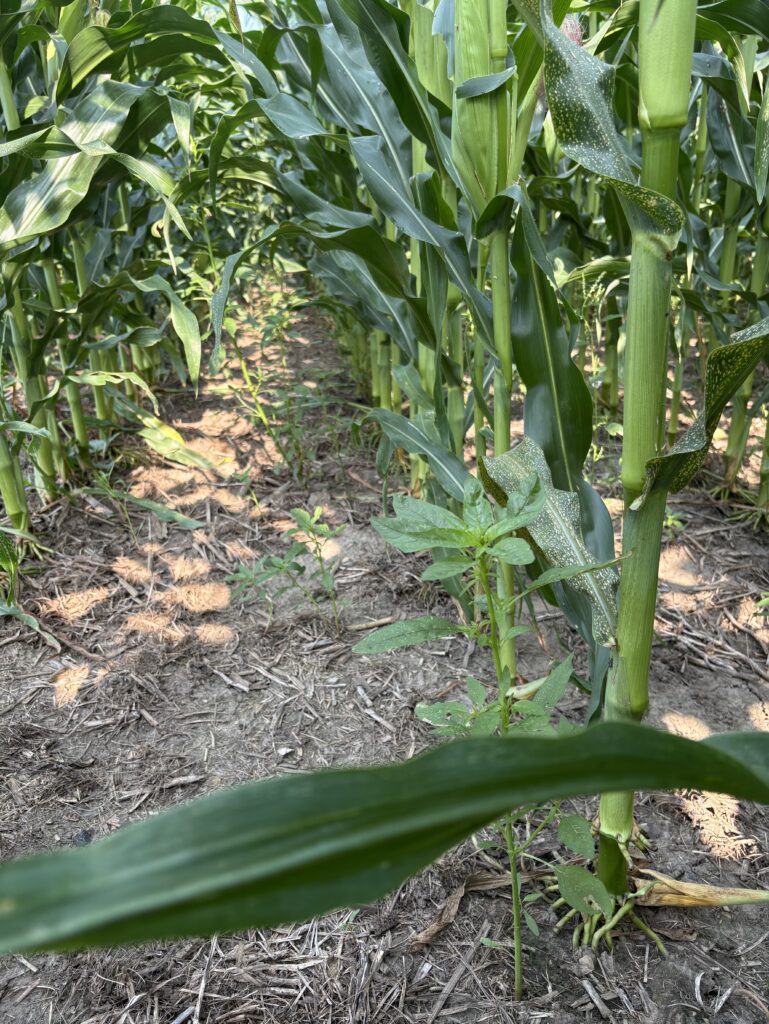
Driving across Western Wisconsin, I think we are doing a much better job of keeping the soybean fields cleaner of waterhemp than we have in previous years. Applying pre-emergent herbicides, coming back with our second pass 28-30 days later with more residual herbicide, and even spraying a third time if needed for the waterhemp escapes has made a huge difference.
Meanwhile, in the corn, too many acres are trying to get by on a one pass herbicide program still. If the waterhemp is thick in your soybeans, walk into your corn fields and assess how the one-pass herbicide program is working. We need to take the same herbicide approach for corn as we do the soybeans. Plan a two-pass program by either impregnating a herbicide on your fertilizer or spraying a pre down. Then come back with the second pass 30 days later as well, just like we do for soybeans. Waterhemp escapes in soybeans get all the attention but there are just as many escapes in the corn fields; they are just out of sight-out of mind. – Eric